Meilleures marketplaces pour les box d'abonnement (et quand les éviter)
Les marketplaces de box d'abonnement résolvent le problème le plus difficile auquel une nouvelle box est confrontée : être trouvée par des personnes qui veulent déjà s'abonner à quelque chose. Le compromis est structurel : des frais sur chaque renouvellement et une relation client qui appartient en partie à la plateforme. Voici le panorama et l'arithmétique pour utiliser les marketplaces sans bâtir votre entreprise sur un terrain loué.
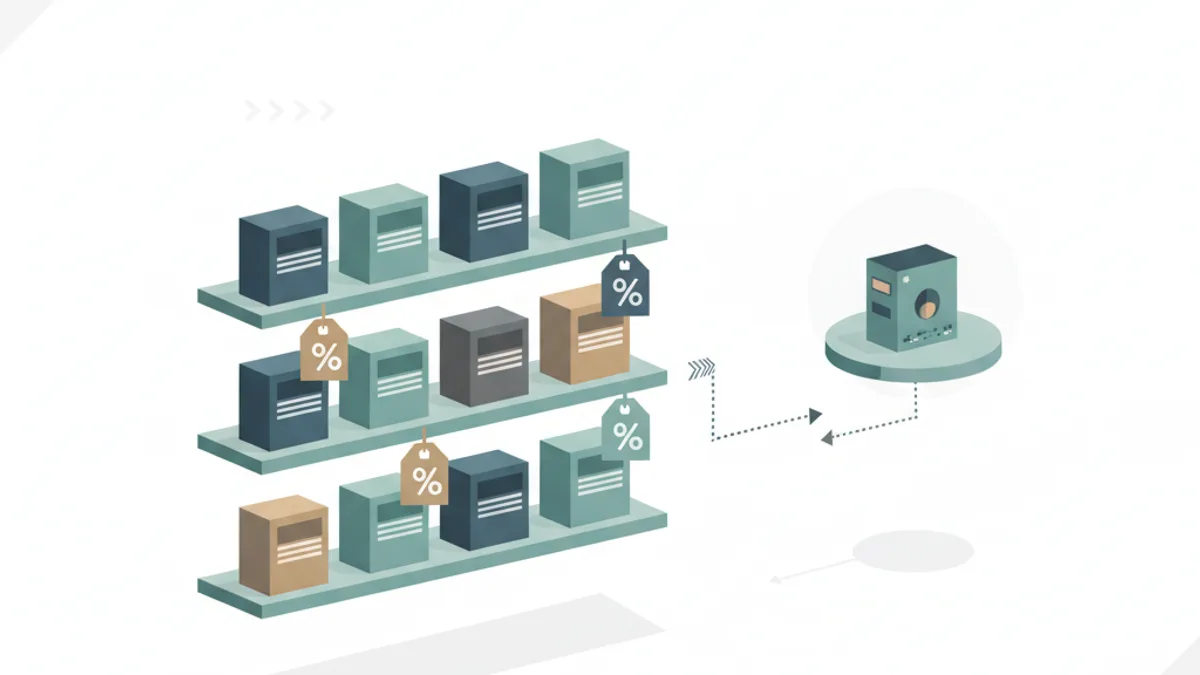
Cratejoy est la seule marketplace majeure dédiée aux box d'abonnement — forte découverte, ~11-15% de commission totale. Amazon (Subscribe & Save / vitrines) offre une portée massive avec la moindre propriété client. Etsy convient aux niches artisanales/curatées ; Hello Subscription et les guides cadeaux génèrent de la découverte en tant que médias plutôt qu'en tant que points de vente. Le plan standard : utiliser les marketplaces pour la découverte, gérer votre propre boutique Shopify comme canal principal, et conserver la marge et les données client là où vous les possédez.
Ce qu'une marketplace vous vend réellement
La distribution. Les acheteurs de marketplaces parcourent les *catégories* (« box de livres », « box de snacks ») plutôt que les marques, c'est précisément là qu'une box inconnue peut gagner un client qu'elle n'aurait jamais pu se permettre d'acquérir par la publicité. Les coûts sont la commission sur chaque commande — y compris les renouvellements — et la propriété par la plateforme de la majeure partie de la relation client : leur paiement, leur compte acheteur, leurs règles de contact hors plateforme.
Le panorama 2026
| Marketplace | Idéal pour | Structure de coûts typique | Propriété client |
|---|---|---|---|
| Cratejoy Marketplace | Découverte de box dédiée à travers toutes les niches | ~11,25 % + frais de paiement (à vérifier) | Partielle — paiement sur la plateforme, certaines données d'abonné |
| Amazon Subscribe & Save / vitrine | Produits de réapprovisionnement à grande échelle | Frais de parrainage ~15% + exécution | Minimale — Amazon est propriétaire de l'acheteur |
| Etsy | Box artisanales, créatives et cadeaux personnalisés | 6,5 % de transaction + frais de listing + frais de paiement | Partielle |
| Hello Subscription & médias de critique | Critiques/couvertures que les acheteurs d'abonnement lisent réellement | Placements gratuits-payants | Totale — le trafic arrive sur votre boutique |
| Marketplaces de cadeaux et guides saisonniers | Demande de cadeaux du 4e trimestre pour les box premium | Variable (vente en gros ou commission) | Variable |
Les frais évoluent et varient selon la catégorie et le plan — vérifiez le barème actuel de chaque plateforme avant de lister vos produits.
Cratejoy — la réponse par défaut, avec des réserves
Cratejoy reste la seule marketplace dont les acheteurs arrivent spécifiquement pour trouver des box d'abonnement, ce qui en fait l'option de listing la plus intentionnelle disponible. Elle fonctionne mieux comme un moteur de découverte pour les niches où le comportement de navigation est important (livres, soins personnels, enfants, culture geek). Les réserves : la commission s'applique à chaque renouvellement, la concurrence dans les grandes catégories est dense, et les avis s'accumulent sur votre listing Cratejoy plutôt que sur votre domaine. De nombreuses box établies conservent un listing Cratejoy purement comme canal d'acquisition client tout en dirigeant le trafic récurrent et de parrainage vers leur propre boutique.
Amazon et Etsy — portée vs. adéquation
Amazon est moins une marketplace de box d'abonnement qu'une machine de réapprovisionnement : Subscribe & Save convient mieux aux produits consommables (café, snacks, compléments) qu'aux box basées sur la curation, et la propriété de l'acheteur par Amazon est quasi-totale. Utilisez-le lorsque votre produit est réapprovisionnable et que le volume est plus important que la relation. Etsy est l'inverse : petite, conviviale pour les relations, et parfaite pour les box faites à la main ou curatées par des artisans — vendues comme des achats uniques récurrents ou des listings prépayés de plusieurs mois plutôt que de véritables abonnements.
Le calcul de la propriété
Les frais de marketplace sont un coût d'acquisition qui ne s'arrête jamais. Comparez une commission de marketplace de 12 % aux économies de votre propre boutique : pour une box à 45 $/mois avec une durée de vie moyenne d'environ 12 mois, la marketplace collecte environ 65 $ par abonné — chaque abonné, pour toujours — contre un CAC unique sur votre propre canal. Le plan standard suit directement :
- Listez vos produits sur la ou les marketplaces qui correspondent à votre niche pour la découverte.
- Gérez votre propre boutique Shopify comme canal principal — marge complète, données complètes, votre portail, vos systèmes de rétention.
- Laissez l'emballage, les inserts et l'expérience d'unboxing faire le travail (conforme) de faire de votre marque — et non de la plateforme — ce dont les abonnés se souviennent.
- Évaluez chaque marketplace trimestriellement comme un canal de CAC : revenus par listing par rapport à ce que le même effort rapporte à votre propre boutique.
La partie de ce plan concernant votre propre boutique — configuration de la boutique, systèmes de rétention, économie unitaire — est couverte dans comment démarrer une entreprise de box d'abonnement. RecurX gère le canal propriétaire : facturation récurrente, portail, relance et fidélité sur votre propre domaine sans frais de transaction — la marge que la marketplace aurait prélevée reste la vôtre.
Questions fréquentes
Quelle est la meilleure marketplace pour les box d'abonnement ?
Cratejoy est la seule marketplace majeure dédiée aux box d'abonnement et offre l'audience la plus intentionnelle en matière de navigation. Amazon convient aux consommables réapprovisionnables à grande échelle, Etsy aux box artisanales et cadeaux personnalisés, et les médias de critique comme Hello Subscription favorisent la découverte tout en envoyant du trafic vers votre propre boutique.
Combien coûte Cratejoy ?
Historiquement, Cratejoy a facturé une commission de marketplace d'environ 11 à 15 %, y compris le traitement des paiements sur les ventes de la marketplace. Vérifiez le barème des frais actuel sur les pages vendeurs de Cratejoy avant de lister, car les structures changent.
Dois-je vendre ma box d'abonnement sur une marketplace ou sur mon propre site web ?
Les deux, en privilégiant votre propre site. Les marketplaces sont des canaux de découverte — une commission s'applique à chaque renouvellement et la plateforme possède une grande partie de la relation client. Votre propre boutique Shopify conserve la pleine marge, les données d'abonné et le contrôle de la rétention ; traitez les frais de marketplace comme un coût d'acquisition client et orientez le comportement récurrent vers votre domaine.
Peut-on vendre des box d'abonnement sur Amazon ou Etsy ?
Oui, avec des réserves concernant l'adéquation. Amazon fonctionne mieux pour les consommables réapprovisionnables via Subscribe & Save plutôt que pour les box sélectionnées. Etsy convient aux box artisanales ou sélectionnées par des artisans, généralement vendues comme des achats uniques récurrents ou des listings prépayés de plusieurs mois plutôt que de véritables abonnements à renouvellement automatique.
Mo Boumzoud — Founder, RecurX. Mo is the founder of RecurX and writes about subscription commerce, retention, and growth for Shopify merchants. RecurX powers subscriptions for direct-to-consumer brands.
Poursuivre la lecture
- Comment lancer une entreprise de box par abonnement en 2026 (étape par étape)Une box par abonnement est une entreprise de curation avec une logistique associée. Voici le chemin en 9 étapes, de l'idée de niche à l'envoi de la box, avec les chiffres d'affaires unitaires que la plupart des guides ignorent.
- Boîte d'abonnement ou Abonnement à prix réduit : Lequel choisir ?Les boîtes d'abonnement et les abonnements à prix réduit semblent similaires, mais sont des activités fondamentalement différentes — économie, facteurs de désabonnement et opérations distincts. Voici comment choisir le bon modèle pour votre boutique Shopify.
- Stratégie de tarification d’abonnement : 7 modèles avec exemplesSept modèles de tarification d’abonnement expliqués avec exemples, plus la méthode pour choisir le bon et tarifer selon la valeur plutôt que le coût.
Faites croître votre revenu récurrent sur Shopify
RecurX propose un plan gratuit à vie et zéro frais de transaction sur tous les paliers. Installation en quelques minutes.
Installer RecurX gratuitement →