Comment lancer une entreprise de box par abonnement en 2026 (étape par étape)
Une box par abonnement vend de la curation : chaque mois, les abonnés paient pour l'expérience de recevoir une sélection bien choisie qu'ils n'ont pas eu à rechercher eux-mêmes. Cela en fait une entreprise différente du [modèle d'abonnement avec économie](/blog/subscription-box-vs-subscribe-and-save) : la découverte est le produit, la rétention dépend du plaisir procuré par chaque box, et les opérations sont plus lourdes. Voici le chemin de l'idée à l'envoi de la box, avec les chiffres qui décident de son succès.
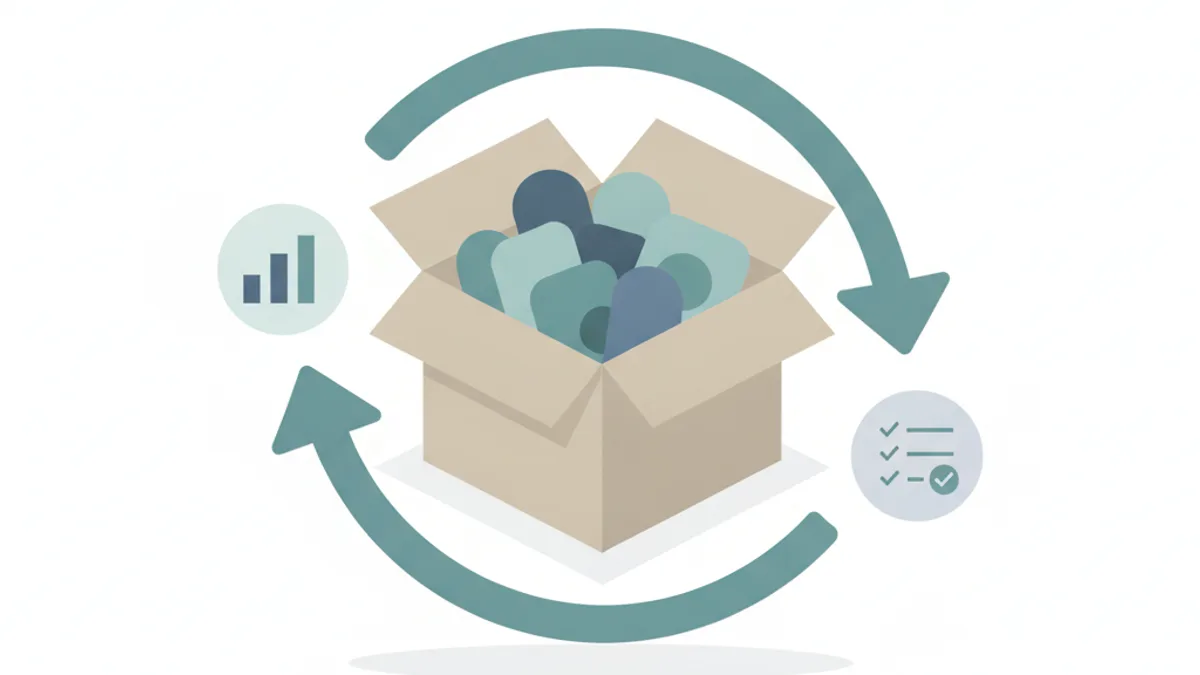
Pour lancer une entreprise de box par abonnement : choisissez une niche que vous pouvez curer mieux qu'un généraliste, prototyper une box et la fixer au prix coût des marchandises × 2,5 à 3, validez avec une liste de pré-lancement avant d'acheter l'inventaire, configurez une boutique Shopify avec une application d'abonnement, planifiez l'exécution des commandes (auto-emballage jusqu'à environ 200 à 300 box), et construisez des systèmes de rétention – sauts flexibles, récupération des paiements et un portail propice aux échanges – dès le premier jour. La plupart des box échouent sur le taux de désabonnement et l'économie unitaire, pas sur la demande.
Une box par abonnement est-elle le bon modèle ?
Avant les étapes : une box par abonnement mise sur la curation, pas sur le réapprovisionnement. Si votre produit est quelque chose que les gens consomment et commandent à nouveau (café, compléments, nourriture pour animaux), un programme d'abonnement avec économies est plus simple et retient mieux les clients. Une box gagne lorsque la découverte est la valeur – les clients veulent être agréablement surpris. Les économies des deux modèles sont comparées dans box par abonnement vs abonnement avec économies.
Étapes 1-2 : niche et prototype
Choisissez une niche où vous pouvez surpasser le marché en matière de curation. Les « snacks » perdent face aux géants ; les « snacks de supérette japonaise » ou les « snacks pour grimpeurs » peuvent gagner, car l'acheteur fait confiance à votre goût spécifique. Test : pouvez-vous nommer 12 mois de box distinctes et excitantes dès maintenant ? Sinon, la niche est trop étroite.
Ensuite, construisez une vraie box. Procurez-vous les produits (demandez aux marques les prix de gros ou d'échantillons – beaucoup considèrent les box comme du marketing de découverte payant), assemblez-la, pesez-la et photographiez-la. Ce prototype fixe votre coût unitaire réel et devient votre atout de lancement.
Étape 3 : l'économie unitaire qui tue la plupart des box
Calculez les chiffres par box, avant le lancement :
| Poste | Exemple (box à 45 $/mois) | Règle empirique |
|---|---|---|
| Produits (COGS livrés) | $15 | 30 à 40 % du prix |
| Box + emballage + inserts | $3 | Moins de 8 % |
| Expédition | $8 | Pesez le prototype ; les zones comptent |
| Frais de paiement + application | $1.50 | Éviter les frais de transaction en pourcentage supplémentaires |
| Marge de contribution | 17,50 $ (39 %) | Moins de 30 % = pas de place pour le CAC |
La marge de contribution doit financer l'acquisition de clients et absorber le taux de désabonnement. À un taux de désabonnement mensuel de 8 %, l'abonné moyen reste environ 12 mois ; avec une marge de 17,50 $/box, cela représente environ 210 $ de marge sur la durée de vie – votre plafond réel sur le coût d'acquisition. Calculez vos propres chiffres avec le calculateur de LTV.
Étapes 4-5 : valider, puis configurer la boutique
Validez avant d'acheter l'inventaire. Une page de destination avec des photos de la box, un prix clair et une liste d'attente prend un week-end à créer. Générez un trafic modeste (communautés de niche, un petit test publicitaire) et mesurez la conversion inscription → paiement sur une offre de membre fondateur. Acheter de l'inventaire avant la preuve de la demande est l'erreur la plus coûteuse dans cette catégorie.
La configuration de la boutique est la partie facile. Shopify, associé à une application d'abonnement, vous offre la facturation récurrente, le portail d'abonné et la récupération des paiements prêts à l'emploi. Configurez un plan mensuel et un plan trimestriel prépayé avec une petite remise (les abonnés prépayés se désabonnent moins – moins de décisions de renouvellement). Les mécanismes généraux sont expliqués dans comment lancer une entreprise d'abonnement ; les paramètres spécifiques à la box qui comptent : la facturation calendaire (date d'ancrage) afin que tout le monde renouvelle avant votre fenêtre d'expédition, et une date limite pour la box du mois.
Étape 6 : exécution des commandes – auto-emballage, puis 3PL
L'auto-emballage est la bonne solution jusqu'à environ 200 à 300 box par cycle : vous contrôlez la qualité, apprenez ce qui se casse en transit et maintenez les coûts visibles. Regroupez tout dans une fenêtre d'expédition mensuelle fixe. Au-delà de ce volume, les 3PL capables de faire du kitting prennent en charge l'assemblage – attendez-vous à des frais de kitting par box et négociez sur la spécification de votre box standardisée. Si vous préférez ne pas du tout détenir d'inventaire, des marketplaces comme Cratejoy listent également les box, au prix de frais et d'une moindre maîtrise de la relation client – très bien comme canal de découverte, risqué comme canal principal.
Étapes 7-9 : lancer, fidéliser, itérer
Lancez-vous auprès de la liste d'attente avec une cohorte de fondateurs limitée. Un plafond authentique (vous ne pouvez emballer qu'un certain nombre de box) crée une urgence honnête et une histoire de succès.
Les systèmes de rétention sont mis en œuvre avant d'intensifier l'acquisition, et non après. Les entreprises de box connaissent un taux de désabonnement de 6 à 12 % par mois ; les survivantes mettent en place les contre-mesures dès le premier jour :
- Saut/pause/échange dans le portail – le surplus et la lassitude de la variété sont les deux principales raisons d'annulation.
- Relances pour les renouvellements échoués – 20 à 40 % des désabonnements sont involontaires ; estimez votre fuite avec le calculateur de récupération des paiements échoués.
- Un flux d'annulation basé sur les raisons avec des offres de rétention ciblées.
- Récompenses de fidélité – les jalons de fidélité pour les box consécutives luttent contre la lassitude dès qu'elle apparaît.
Ensuite, itérez mensuellement. Sondez chaque box, surveillez le taux de désabonnement par cohorte, et laissez les données des abonnés choisir les produits du mois suivant. Dans la curation, la box elle-même est le levier de rétention – tout le reste n'est qu'un rôle de soutien. RecurX couvre la couche opérationnelle – facturation calendaire, portail, Rescue Sequences, paliers de fidélité – gratuit pour commencer et sans frais de transaction, afin que la marge reste dans la box.
Questions fréquentes
Combien coûte le lancement d'une entreprise de box par abonnement ?
Les démarrages modestes coûtent environ 1 500 à 5 000 $ : approvisionnement du prototype, un lot d'inventaire initial pour une cohorte fondatrice limitée, emballage et une boutique Shopify avec une application d'abonnement gratuite. La plus grande variable est l'inventaire initial – c'est pourquoi la validation avec une liste d'attente avant l'achat en gros est cruciale.
Les box par abonnement sont-elles rentables ?
Elles peuvent l'être, lorsque le coût des produits livrés reste proche de 30 à 40 % du prix de l'abonnement et que le taux de désabonnement mensuel reste à un chiffre. Le modèle échoue lorsque de faibles marges rencontrent un taux de désabonnement supérieur à 10 % – l'entreprise rachète sa base d'abonnés plus vite que la marge ne s'accumule.
De combien d'abonnés une box par abonnement a-t-elle besoin ?
Avec une box à 45 $ et une marge de contribution d'environ 17 $, 300 abonnés génèrent environ 5 100 $ de contribution mensuelle – une véritable activité d'appoint. La viabilité à temps plein commence généralement autour de 800 à 1 500 abonnés, selon le prix et le fait qu'un 3PL absorbe ou non votre temps.
Dois-je utiliser Cratejoy ou Shopify pour une box par abonnement ?
Shopify avec une application d'abonnement pour la boutique principale – vous possédez le client, les données et la marge. Les marketplaces comme Cratejoy peuvent apporter du trafic de découverte en plus, mais en tant que canal principal, leurs frais et leur appropriation de la relation acheteur vont à l'encontre de la construction d'une marque durable.
Mo Boumzoud — Founder, RecurX. Mo is the founder of RecurX and writes about subscription commerce, retention, and growth for Shopify merchants. RecurX powers subscriptions for direct-to-consumer brands.
Poursuivre la lecture
- Boîte d'abonnement ou Abonnement à prix réduit : Lequel choisir ?Les boîtes d'abonnement et les abonnements à prix réduit semblent similaires, mais sont des activités fondamentalement différentes — économie, facteurs de désabonnement et opérations distincts. Voici comment choisir le bon modèle pour votre boutique Shopify.
- Comment lancer une activité d’abonnement en 2026 (étape par étape)Choisir un modèle, valider la demande, fixer le bon prix, lancer sur Shopify et croître grâce à la rétention — le playbook complet pour démarrer une activité d’abonnement.
- Les 9 raisons d'annulation d'abonnement (et la solution pour chacune)Les abonnés annulent rarement parce qu'ils détestent votre produit. Ils annulent pour neuf raisons spécifiques, la plupart étant corrigibles — voici chacune d'elles, leur fréquence d'apparition et la stratégie de rétention qui y répond.
Faites croître votre revenu récurrent sur Shopify
RecurX propose un plan gratuit à vie et zéro frais de transaction sur tous les paliers. Installation en quelques minutes.
Installer RecurX gratuitement →