Sådan gendanner du mislykkede abonnementsbetalinger på Shopify
Hver Shopify-abonnementsbutik mister indtægter på grund af mislykkede betalinger – udløbne kort, utilstrækkelige midler, bankafvisninger. De fleste forhandlere accepterer disse tab uden at vide, at den rette gendannelsesrækkefølge automatisk genindfanger 20-40 % af dem.
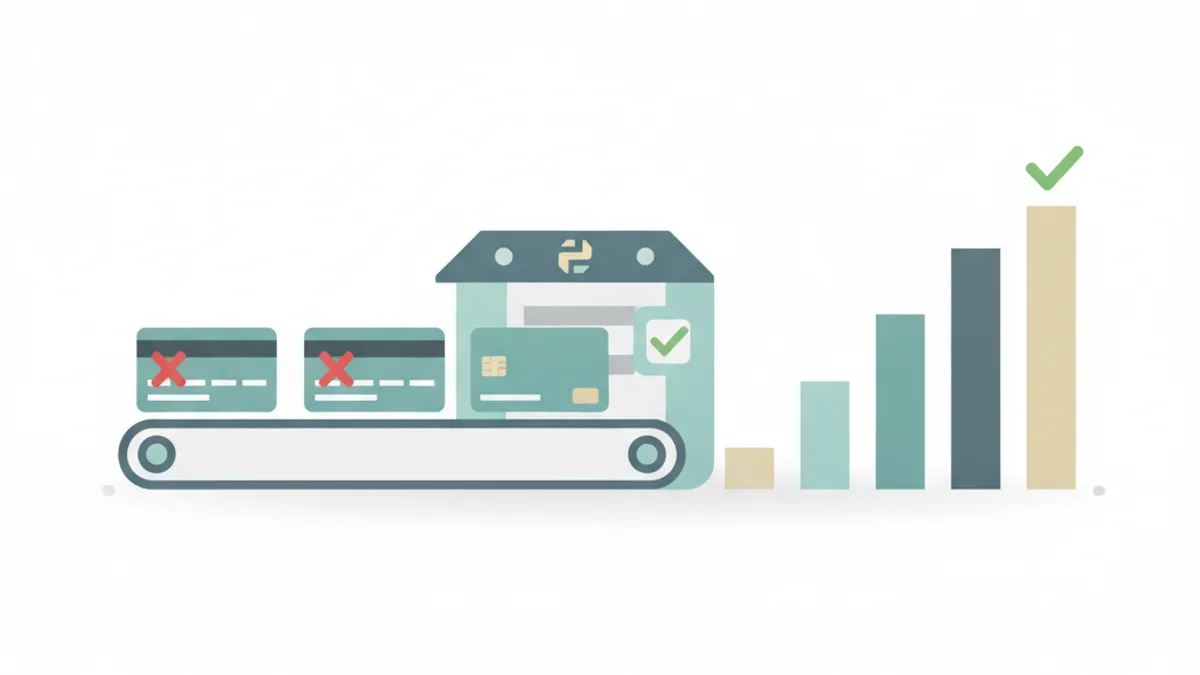
Mislykkede abonnementsbetalinger (ufrivillig churn) kan genoprettes. En veltimet dunning-sekvens – smart timing for nye forsøg, proaktive påmindelser om kortopdatering og e-mail/SMS-udsendelse – bringer 20-40 % af de mislykkede opkrævninger tilbage uden manuel indsats. RecurX inkluderer indbygget betalingsgendannelse på alle planer: afvisningsbevidst logik for nye forsøg, links til kortopdatering med ét klik og automatiske abonnentmeddelelser, alt sammen uden en separat dunning-app.
Hvorfor abonnementsbetalinger fejler
De fleste mislykkede abonnementsopkrævninger skyldes ikke abonnenter, der ønsker at opsige. De skyldes almindelige kortproblemer: kortet udløb, banken blokerede midlertidigt opkrævningen, kontoen løb tør for midler før lønningsdag. Betalingsforskere estimerer, at 20-40 % af abonnementsopsigelser er ufrivillige – abonnenten valgte ikke at forlade, betalingen mislykkedes bare.
Forståelse af årsagen til fejlen er vigtig, fordi forskellige afvisningskoder kræver forskellige reaktioner:
| Afvisningstype | Almindelig årsag | Bedste gendannelseshandling |
|---|---|---|
| Utilstrækkelige midler | Kontobalance midlertidigt lav | Forsøg igen midt på ugen / midt på måneden; send blød påmindelse |
| Udløbet kort | Gammelt kort stadig registreret | Øjeblikkelig e-mail om kortopdatering med ét-klik-link |
| Do-not-honor / generisk afvisning | Bank blokerede betaling (ofte sikkerhed) | E-mail om kortopdatering; abonnent skal muligvis ringe til banken |
| Ugyldigt kortnummer | Kort udskiftet (nyt nummer) | E-mail om kortopdatering; ingen genforsøg før nyt kort er tilføjet |
| Tabt / stjålet kort | Kort annulleret | Kun e-mail om kortopdatering; genforsøg skader omdømmet |
De fleste abonnementsapps viser en forenklet status ("betaling mislykkedes") uden den underliggende kode. Apps med fuld synlighed af afvisningskoder giver dig mulighed for at tilpasse gendannelsesbeskeden, hvilket forbedrer gendannelsesraterne markant.
Hvad er dunning, og hvorfor er det vigtigt?
Dunning er den automatiserede proces med at forsøge mislykkede betalinger igen og underrette abonnenter om at opdatere deres betalingsoplysninger. En velkonfigureret dunning-sekvens er den aktivitet med højest ROI inden for abonnementsfastholdelse – den fungerer 24/7 uden manuel indsats.
Uden dunning vil en enkelt mislykket opkrævning typisk afslutte abonnementet. Med dunning får den samme abonnent et timet genforsøg plus en venlig e-mail om kortopdatering, og ca. en fjerdedel af dem løser problemet inden for en uge. Den 25 % gendannelsesrate er ren indtægt, du ellers ville have mistet.
Anatomien af en dunning-sekvens med høj gendannelsesrate
En gendannelsessekvens har to parallelle spor, der kører samtidigt: smarte genforsøg (appen forsøger kortet igen efter en optimeret tidsplan) og abonnentudsendelse (e-mails/SMS, der beder abonnenten om at opdatere deres kort). Begge er nødvendige – genforsøg alene misser abonnenter, hvis kort reelt ikke kan debiteres uden intervention.
- Dag 0 (fejl): Log afvisningskoden. Send e-mailen med kortopdatering med det samme. Sæt det første smarte genforsøg i kø til 24-48 timer senere (for fundrelaterede afvisninger) eller hold tilbage til kortopdatering ved afvisninger på grund af kortændring.
- Dag 2-3: Første genforsøg (hvis relevant). Send en anden, lidt mere presserende e-mail om kortopdatering, hvis kortet endnu ikke er opdateret.
- Dag 5-7: Andet genforsøg. Sidste kontakt via SMS eller push, hvis tilgængeligt. Ændring af emnelinje: "Dit abonnement er i fare" klarer sig bedre end en generisk betalingspåmindelse på dette stadie.
- Dag 10-14: Sidste genforsøg. Hvis det stadig mislykkes, flyt abonnementet til Pauset (ikke Annulleret), og send en genaktiveringsfokuseret e-mail.
- Dag 30: Blød genindvindings-e-mail til pausede abonnenter. Mange abonnenter løser kortproblemet på egen hånd inden for en måned; en enkelt genaktiveringspåmindelse fanger dem.
Gendannelsesrater efter kontakttype
Ikke alle gendannelsestaktikker præsterer lige godt. Baseret på mønstre på tværs af abonnementsvirksomheder, her er hvordan forskellige tilgange stables:
| Taktik | Gennemsnitlig gendannelsesforbedring | Noter |
|---|---|---|
| Kun smart genforsøg timing | 10-15 % | Virker for afvisninger relateret til midler; misser tilfælde med kortskift |
| Genforsøg + e-mail om kortopdatering (dag 0) | 20-30 % | E-mail sendt inden for 1 time efter afvisning fordobler åbningsraten |
| Genforsøg + e-mail-sekvens (3 kontakter) | 25-35 % | Multi-touch overgår enkelt e-mail |
| Genforsøg + e-mail + SMS | 30-40 % | SMS fanger abonnenter, der misser e-mail |
| Pause i stedet for annullering ved endelig fejl | +10-15 % | Pausede abonnenter genaktiverer sig selv; annullerede gør det ikke |
Disse er retningsgivende benchmarks, der er hentet fra publiceret SaaS- og e-handelsfastholdelsesforskning. Dine resultater vil variere baseret på dit publikum, produktkategori og meddelelseskvalitet.
E-mail-tekst, der faktisk gendanner betalinger
Tonen i din e-mail om kortopdatering har en større indvirkning på gendannelsen, end de fleste forhandlere forventer. Et par principper, der konsekvent forbedrer åbnings- og klikrater:
- Fokuser på abonnentens fordel, ikke transaktionen. "Dit [produkt] abonnement er sat på hold" overgår "Betaling mislykkedes" som emnelinje, fordi det indrammer e-mailen omkring, hvad de mister, ikke hvad du har brug for.
- Én klar call-to-action. E-mailen skal have præcis én knap: "Opdater dit kort." Alle andre links reducerer klik.
- Vis genforsøgsdatoen. Abonnenter er mere tilbøjelige til at handle, hvis de ved, hvornår de vil blive opkrævet: "Vi prøver igen den 10. juli."
- Hold det kort. Tre sætninger, en knap. Lange e-mails mister abonnenten, før de når CTA'en.
- Ingen skyld. En straffende tone ("Din konto er FORFALDET") konverterer dårligere end en neutral-hjælpsom tone ("Hurtig løsning nødvendig for at holde dit abonnement aktivt").
Sådan opsætter du betalingsgendannelse på Shopify (med RecurX)
RecurX inkluderer indbygget betalingsgendannelse på alle planer – ingen separat dunning-app er nødvendig. Systemet håndterer begge spor automatisk: afvisningsbevidst genforsøgsplanlægning og automatiserede abonnentmeddelelser med links til kortopdatering med ét klik.
Gendannelsesflowet aktiveres i det øjeblik en opkrævning mislykkes. Abonnenter modtager en brandet e-mail inden for få minutter, med et personligt link, der tager dem direkte til kortopdateringsskærmen i deres kundeportal – ingen login kræves. RecurX's genforsøgslogik tilpasser sig afvisningskoden, så utilstrækkelige midler-fejl får tidsbaserede genforsøg, mens kortændringsafvisninger holdes tilbage, indtil abonnenten handler.
Forhandlere, der skifter fra Recharge eller Appstle, oplever ofte, at flytningen til et indbygget gendannelsessystem (i stedet for en tilføjet app) forenkler deres stack og lukker huller, hvor abonnenter falder igennem. Hvis du er på en anden platform, se guiderne Recharge alternative og Appstle alternative for en direkte sammenligning.
Indvirkningen på churn og MRR
Ufrivillig churn er den letteste form for churn at adressere, fordi abonnenten ikke besluttede at forlade – de har bare brug for en friktionsfri vej tilbage. Hvert procentpoint, du genopretter i ufrivillig churn, løfter direkte MRR, LTV og kohortefastholdelsesmetrikker uden at kræve, at du erhverver en eneste ny abonnent.
For en abonnementsforretning med 50.000 USD i MRR og en månedlig ufrivillig churn-rate på 3 %, bevarer et gendannelsessystem, der bringer selv 30 % af disse mislykkede betalinger tilbage, omkring 450 USD/måned i omsætning – 5.400 USD/år – som ellers ville være permanent tabt. Ved 100.000 USD i MRR fordobles dette tal.
Brug den gratis MRR-beregner til at modellere omsætningseffekten af forskellige gendannelsesrater på din nuværende abonnentbase.
Ofte stillede spørgsmål
Hvordan gendanner jeg mislykkede abonnementsbetalinger på Shopify?
Den mest effektive tilgang er et to-sporet dunning-system: smart planlægning af genforsøg (genforsøg af kortet på optimerede tidspunkter) kombineret med automatiseret abonnentkontakt (e-mails om kortopdatering sendt inden for få minutter efter en afvisning). Apps som RecurX inkluderer dette indbygget; nogle forhandlere tilføjer en separat dunning-app ovenpå deres abonnementsplatform.
Hvor stor en procentdel af mislykkede abonnementsbetalinger kan genoprettes?
En velkonfigureret dunning-sekvens genopretter typisk 20-40 % af mislykkede betalinger. Enkelt e-mail-kontakt genopretter ca. 20-30 %; tilføjelse af en multi-touch e-mail-sekvens og SMS kan skubbe det til 35-40 %. At sætte på pause i stedet for at annullere ved endelig fejl tilføjer yderligere 10-15 % over 30 dage.
Hvad er forskellen mellem dunning og betalingsgenforsøg?
Betalingsgenforsøg er en komponent af dunning – det automatiserede forsøg på at debitere kundens kort igen. Dunning er den bredere proces, der inkluderer genforsøg plus abonnentkontakt (e-mails, SMS), der beder kunden om at opdatere deres betalingsmetode. Genforsøg alene misser tilfælde, hvor kortet reelt ikke kan debiteres uden abonnentens handling.
Skal jeg annullere eller sætte et abonnement på pause efter gentagne mislykkede betalinger?
Sæt hellere på pause end annuller, når det er muligt. En pauset abonnent bevarer sin abonnementhistorik og kan genaktivere sig selv med et enkelt klik. En annulleret abonnent skal genvindes fra bunden, ofte krævende en rabat eller en re-onboarding-proces. Mange forhandlere genopretter 10-15 % af pausede abonnenter inden for 30 dage med en enkelt genaktiverings-e-mail.
Begynd at øge din tilbagevendende omsætning på Shopify
RecurX har 14 dages gratis prøveperiode og ingen transaktionsgebyrer på nogen plan. Installér på få minutter.
Start din gratis prøveperiode →