Suscripciones de Shopify para productos digitales y descargas
Shopify es más conocido por los productos físicos, pero los productos digitales —descargas, bibliotecas de contenido, plantillas, cursos, licencias de software— son donde la economía de las suscripciones brilla con más fuerza: coste marginal cero, envío cero, y cada renovación es casi margen puro. Esta guía cubre lo que puedes vender, cómo funciona la entrega digital recurrente en Shopify y la configuración que convierte.
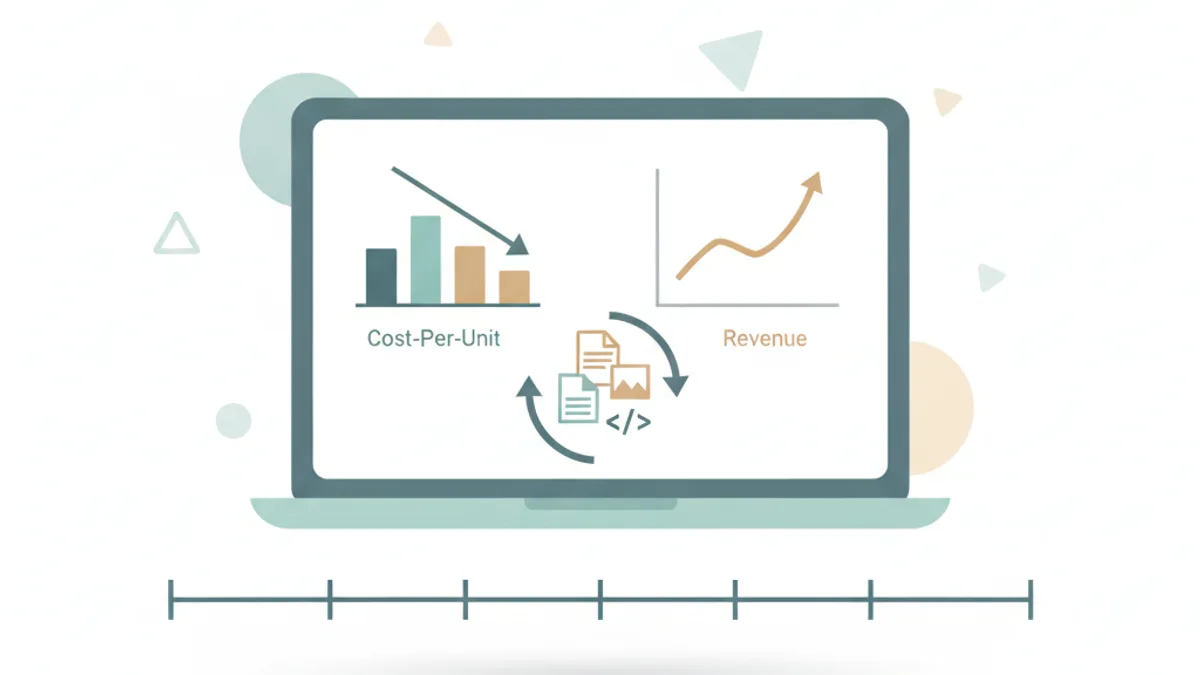
Puedes vender productos digitales en Shopify, y las suscripciones son la forma con mayor margen de hacerlo: acceso recurrente a descargas, contenido exclusivo para miembros, bibliotecas de plantillas o licencias continuas. El patrón: una aplicación de suscripciones gestiona la facturación recurrente y el estado de los miembros, mientras que la entrega digital se encarga del cumplimiento, sin envío, con un margen bruto cercano al 100%, y la rotación (no la logística) como el único desafío. RecurX gestiona la capa recurrente sin tarifas de transacción, lo que es doblemente importante cuando cada renovación es margen.
¿Se pueden vender productos digitales en Shopify?
Sí. Shopify soporta productos digitales de forma nativa —simplemente desmarcas "este es un producto físico" para que no se cobre el envío, y entregas el archivo o el acceso a través de una aplicación de entrega digital o membresía. Miles de tiendas venden ebooks, presets, plantillas, cursos, audio y software de esta manera.
El ángulo de las suscripciones es lo que la mayoría de los vendedores digitales pasan por alto: una descarga única se vende una vez, pero una suscripción a una biblioteca en crecimiento —nuevos presets mensuales, una bóveda de plantillas, un catálogo de cursos, conjuntos de datos actualizados— convierte el mismo contenido en ingresos recurrentes con casi ningún coste incremental por suscriptor.
Modelos de suscripción digital que funcionan en Shopify
| Modelo | Qué obtienen los suscriptores | Ejemplos |
|---|---|---|
| Acceso a la biblioteca de contenido | Todo en una bóveda en crecimiento mientras estén suscritos | Bibliotecas de plantillas, recursos de stock, packs de presets |
| Lanzamientos recurrentes | Nuevos artículos digitales entregados en cada ciclo | Packs de muestras mensuales, clubes de patrones del mes |
| Membresía + ventajas | Contenido exclusivo, comunidad, precios para miembros en el catálogo | Comunidades de cursos, clubes de "insiders" |
| Licencias y software | Una plaza o licencia que se renueva | Plugins, herramientas, fuentes de datos |
| Híbrido físico + digital | Un producto físico con contenido digital complementario | Kits de manualidades + tutoriales en vídeo, café + curso de preparación |
Cómo funciona la configuración
Dos aplicaciones se reparten el trabajo —una factura, otra entrega:
- Crea el producto digital en Shopify con el envío deshabilitado.
- Adjunta un plan de venta de suscripción para que el producto se facture con una cadencia recurrente —este es el trabajo de la aplicación de suscripciones, utilizando las APIs de suscripción nativas de Shopify y el proceso de compra.
- Entrega el acceso —una aplicación de entrega digital envía archivos/enlaces por pedido, o una puerta de membresía concede acceso mientras la suscripción está activa y lo revoca en caso de cancelación.
- Automatiza el ciclo de vida recurrente —notificaciones de renovación, recuperación de pagos fallidos y un portal donde los suscriptores gestionan su plan.
La capa de suscripción es idéntica a las suscripciones físicas: los mismos ciclos de facturación, el mismo portal, el mismo dunning. Lo que desaparece es el fulfillment: sin inventario, sin ventanas de envío, sin cancelaciones impulsadas por el excedente.
La economía: por qué las suscripciones digitales son diferentes
Tres ventajas estructurales sobre las suscripciones físicas:
- Margen bruto casi del 100 % en las renovaciones. Sin COGS, sin envío. Esta es también la razón por la que las tarifas de transacción perjudican más a los vendedores digitales: una tarifa porcentual sobre ingresos con margen casi puro es un impuesto directo. RecurX no cobra ninguna en ningún plan.
- Sin rotación por "demasiado producto". La razón #1 de cancelación física no existe; la rotación se concentra en el engagement: los suscriptores cancelan cuando dejan de usar el contenido.
- Valor de la biblioteca compuesto. Cada artículo añadido hace que la suscripción sea más valiosa para cada suscriptor existente —la retención mejora a medida que el catálogo crece, lo contrario a la fatiga de la caja.
Retención para suscripciones digitales
Dado que la rotación sigue el engagement, el trabajo de retención es diferente:
- Entrega de forma visible y predecible. Un correo electrónico/sección "novedades de este mes" hace que el valor creciente sea concreto; los meses tranquilos se leen como una suscripción muerta.
- Incorpora al hábito. El objetivo del primer ciclo es el uso: un camino para empezar con el mejor contenido supera un descuento de bienvenida; consulta onboarding de suscripción.
- Recupera pagos fallidos. La rotación involuntaria afecta a lo digital con la misma dureza: el dunning con enlaces de actualización de tarjetas protege un margen que no cuesta nada mantener.
- Ofrece la opción de pausar, no solo cancelar. Un suscriptor digital en pausa pierde el acceso pero conserva su historial; volver es un solo toque.
- Planes anuales. Sin restricciones de cumplimiento, el acceso anual con descuento es fácil de ofrecer y elimina once decisiones de renovación —el upsell de mayor apalancamiento en lo digital.
Elegir la aplicación de suscripción para productos digitales
Cualquier aplicación de suscripciones de Shopify capaz puede facturar productos digitales; los diferenciadores para vendedores digitales específicamente:
- Cero tarifas de transacción — cada renovación es margen, por lo que las tarifas porcentuales cuestan más a los vendedores digitales que a nadie. RecurX no cobra ninguna en ningún plan, incluido su nivel gratuito.
- Soporte para membresías — estado de suscripción que otras aplicaciones pueden verificar para restringir contenido, además de precios para miembros en todo el catálogo (consulta aplicaciones de membresía de Shopify).
- Un portal limpio — pausa, cambios de plan, actualizaciones de pago sin necesidad de tickets de soporte.
- Analíticas creadas para lo recurrente — MRR, churn y retención por cohortes de serie.
Preguntas frecuentes
¿Se pueden vender productos digitales en Shopify?
Sí. Marca el producto como no físico (sin envío) y entrégalo con una aplicación de entrega digital o de membresía. Descargas, cursos, plantillas, audio y licencias de software son todos productos que se venden comúnmente en Shopify.
¿Se pueden vender productos digitales como suscripciones en Shopify?
Sí —adjunta un plan de venta de suscripción al producto digital para que se facture con una cadencia recurrente, y restringe la entrega o el acceso a los suscriptores activos. Las bibliotecas de contenido, los lanzamientos digitales mensuales, las membresías y las licencias renovables funcionan de esta manera con las APIs de suscripción nativas de Shopify.
¿Cuál es la mejor forma de entregar productos digitales a los suscriptores?
Dos patrones: entrega por ciclo (cada pedido de renovación activa nuevos archivos/enlaces) o restricción de acceso (un área de miembros disponible mientras la suscripción está activa, revocada al cancelarse). Las bibliotecas y membresías utilizan la restricción; los productos de "lanzamiento mensual" utilizan la entrega por ciclo.
¿Las suscripciones digitales tienen una rotación menor que las físicas?
Evitan el mayor impulsor de la rotación física —la acumulación de productos— pero añaden un requisito de engagement: los suscriptores cancelan cuando dejan de usar el contenido. Los programas que ofrecen adiciones mensuales visibles e incorporan a los suscriptores a un hábito de uso suelen retener tan bien o mejor que las suscripciones físicas de reposición.
¿Por qué las tarifas de transacción son más importantes para los productos digitales?
Las renovaciones digitales casi no tienen coste de bienes, por lo que los ingresos son casi margen puro —una tarifa de transacción porcentual es un impuesto directo sobre ese margen. Una aplicación sin tarifas como RecurX conserva la totalidad de la renovación, lo que se acumula significativamente a medida que crece la base de suscriptores.
Empieza a hacer crecer tus ingresos recurrentes en Shopify
RecurX tiene un plan gratuito para siempre y cero comisiones por transacción en todos los niveles. Instálala en minutos.
Instala RecurX gratis →