Best Upsell App for Shopify (2026): Cart, Checkout & Post-Purchase
An [upsell](/glossary/upsell) app earns its fee by raising [average order value](/glossary/average-order-value) — but where the offer appears matters more than which app shows it. Product-page bumps, cart drawer offers, checkout add-ons, and post-purchase one-clicks each convert differently and stack differently. And if you sell subscriptions, there’s an upsell most apps can’t make at all: converting the one-time buyer into a subscriber.
For pure one-time catalogs, ReConvert and Zipify OCU lead post-purchase, Rebuy leads AI-driven cart and checkout personalization, and AfterSell and Honeycomb are strong all-rounders. For stores selling subscriptions, the highest-value upsell is one-time → subscription — recurring revenue, not a one-off AOV bump — and that’s built into RecurX (cart-drawer order bumps, upsell and cross-sell widgets, bundles, and a subscription upgrade nudge) at no extra app cost.
Upsells are a placement game
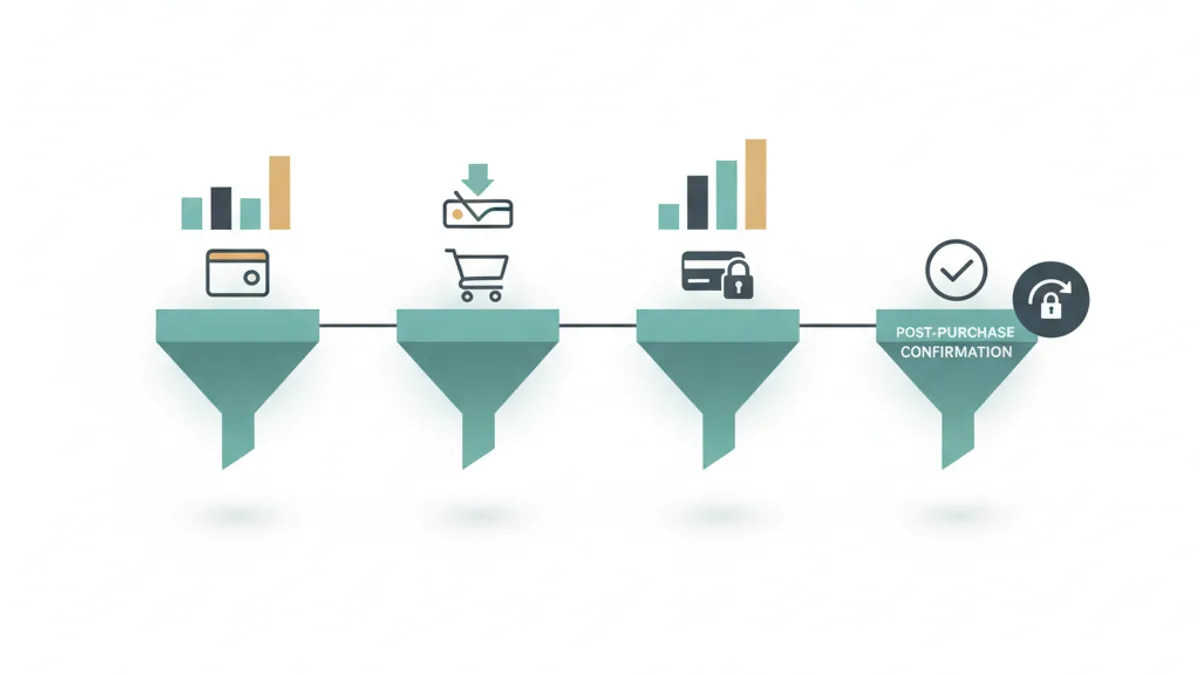
Every upsell app promises higher AOV. The real differences are where in the funnel the offer can appear, and what the offer can be:
- Product page — “frequently bought together”, bundle prompts, quantity breaks. Highest traffic, lowest intent.
- Cart / cart drawer — order bumps and threshold offers (“$12 away from free shipping”). Strong intent, still pre-commitment.
- Checkout — add-on offers inside checkout (Shopify Plus for full customization). High intent; tread carefully, friction here costs conversions.
- Post-purchase — one-click offers after payment, before the thank-you page. Zero risk to the original conversion, which is why this placement made ReConvert and Zipify famous.
- The subscription upsell — converting the buyer’s *relationship*, not just this order: one-time → subscribe-and-save, or adding a product to an existing subscription. Only subscription-aware tooling can make this offer.
The 2026 shortlist
| App | Strongest placement | Best for | Typical pricing |
|---|---|---|---|
| RecurX | Cart drawer + subscription upgrade | Stores selling (or adding) subscriptions | Included free on all plans |
| ReConvert | Post-purchase + thank-you page | Quick post-purchase wins on any store | Free tier; ~$5–$30+/mo |
| Zipify OneClickUpsell | Post-purchase funnels | Aggressive one-click funnel builders | ~$8+/mo + % of upsell revenue |
| Rebuy | AI recommendations across cart/checkout | Larger catalogs wanting personalization | ~$99–$749+/mo by volume |
| AfterSell | Post-purchase + checkout blocks | Balanced post-purchase suite | Free tier; ~$8–$30+/mo |
| Honeycomb | Product page + cart funnels | Simple rule-based funnels | Free tier; ~$50–$150/mo |
Competitor pricing changes frequently and most scale by order volume — verify current tiers on each app’s listing before deciding.
RecurX — the upsell apps can’t make: one-time → subscriber
A classic upsell adds $15 to today’s order. Converting that buyer to a subscription adds an order *every month* — the compounding version of the same click. RecurX’s storefront tooling is built around that offer:
- Cart drawer with order bump — a native cart drawer with an inline add-on offer and a reactive free-shipping progress bar, zero external dependencies.
- Upsell & cross-sell widgets — cross-sell recommendations on product pages and in the cart, subscription-aware so the offer can be “add this to your next box”, not just “add to cart”.
- Subscription upgrade nudge — when a cart contains a one-time product that has a subscription option, the widget offers the switch (with the subscribe-and-save discount math shown).
- Bundles — build-a-box and fixed bundles that raise first-order value and convert directly into recurring plans.
All of it ships inside the subscription app — no second upsell subscription fee, no script conflicts between an upsell app and a subscription app fighting over the same cart. Strategy patterns are covered in subscription upsell strategies.
ReConvert, Zipify, Rebuy, AfterSell, Honeycomb — where each wins
ReConvert owns the thank-you page and post-purchase slot for stores of any size, with a drag-and-drop funnel editor and a cheap entry tier. Zipify OneClickUpsell (from the team behind OneClickUpsell for BigCommerce and Shopify) is the aggressive-funnel pick — pre- and post-purchase offers chained together, priced partly as a revenue share. Rebuy is the personalization heavyweight: AI-driven recommendations across product page, cart, checkout, and post-purchase, priced for brands doing real volume. AfterSell and Honeycomb are the balanced mid-market picks — solid post-purchase and cart funnels without Rebuy’s price tag. None of them, however, can turn an upsell into recurring revenue: they optimize the order, not the relationship.
How to choose in 15 minutes
- If you sell subscriptions (or plan to): start with the upsell tooling inside your subscription app — the one-time → subscriber conversion outearns any single-order bump, and you avoid cart-script conflicts.
- If you sell one-time only and want the fastest win: add a post-purchase app (ReConvert or AfterSell) — it can’t hurt conversion because it fires after payment.
- If you have a large catalog and volume: evaluate Rebuy for AI-driven placement across the whole funnel, and model its monthly cost against incremental AOV.
- Measure one number: AOV (and subscriber conversion rate, if applicable) before and after — attribution dashboards inside upsell apps flatter themselves.
Frequently asked questions
What is the best upsell app for Shopify?
It depends on placement and model. For post-purchase one-click offers, ReConvert and Zipify OneClickUpsell lead; for AI-driven cart and checkout personalization at volume, Rebuy; for stores selling subscriptions, RecurX — its cart drawer order bumps, cross-sell widgets, and one-time-to-subscription upgrade nudge are included at no extra cost and target recurring revenue rather than a single order.
What is the difference between an upsell and a cross-sell?
An upsell upgrades the item being bought (bigger size, subscription instead of one-time, premium version); a cross-sell adds a related item to the order. Most “upsell apps” do both. See the full definitions in our glossary: upsell and cross-selling.
Do upsell apps slow down a Shopify store?
They can — most inject storefront JavaScript, and two apps fighting over the same cart (for example a standalone upsell app plus a subscription app) is a common source of conflicts. Consolidating cart, upsell, and subscription widgets into one app removes that class of problem.
What is the highest-value upsell for a subscription store?
Converting a one-time buyer into a subscriber. A $15 order bump is worth $15 once; a subscription conversion is worth every future cycle. Cart-level upgrade nudges that show the subscribe-and-save discount at the moment of purchase are the most direct way to make that offer.
Mo Boumzoud — Founder, RecurX. Mo is the founder of RecurX and writes about subscription commerce, retention, and growth for Shopify merchants. RecurX powers subscriptions for direct-to-consumer brands.
Keep reading
- Subscription Upsell Strategies: How to Grow LTV Per SubscriberGrow revenue from existing subscribers with upsell strategies designed for the subscription context — frequency bumps, tier upgrades, add-ons, and bundles timed to the moments when customers are most receptive.
- Best Loyalty Program Software for DTC Brands (2026 Guide)Loyalty software for DTC lives or dies on one question: does it deepen repeat purchase behavior or just discount it? Here’s how the 2026 options compare — including the free ones.
- Top Subscription Management Platforms for DTC Brands (2026)A subscription management platform runs your recurring billing, portal, retention, and analytics. Here’s the 2026 field for DTC brands — and how to match a platform to your stack.
Start growing recurring revenue on Shopify
RecurX has a 14-day free trial and zero transaction fees on every plan. Install in minutes.
Start your free trial →