The Ecommerce Subscription Model, Explained
Subscriptions turn one-time buyers into predictable, recurring revenue — but only if you pick the right model and watch the right numbers. This guide breaks down the three subscription models that work in ecommerce, the economics behind them, and how to launch one on Shopify.
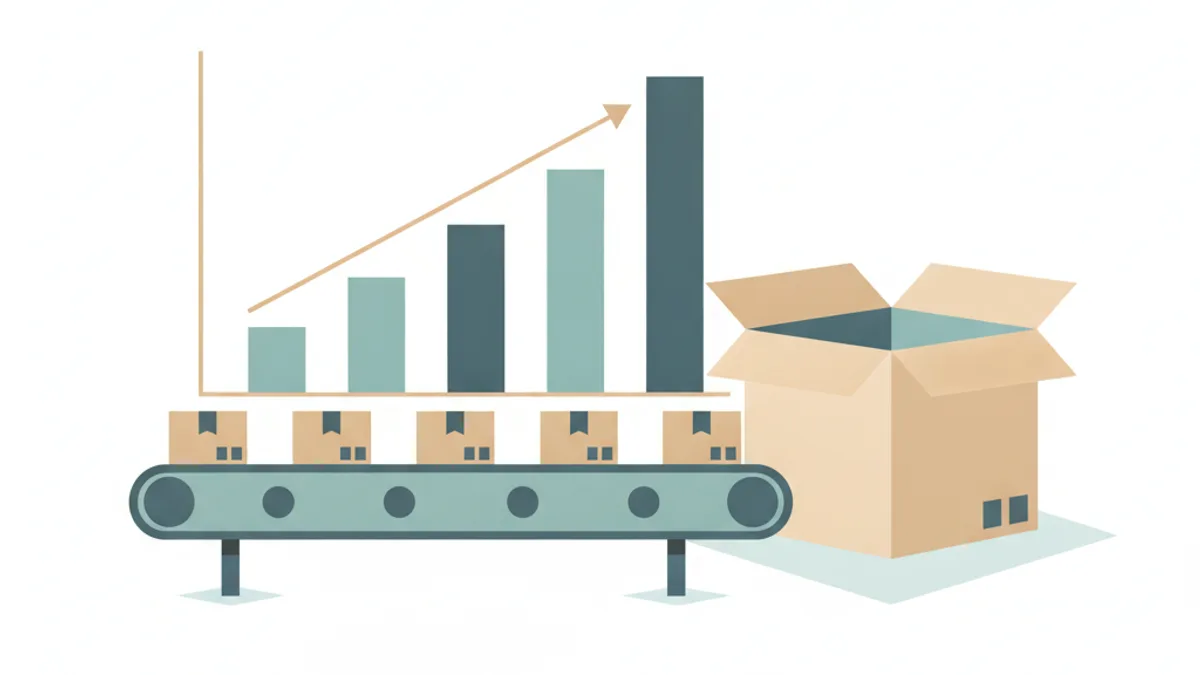
There are three ecommerce subscription models: replenishment (subscribe & save), curation (boxes), and access (membership). Replenishment is the easiest to launch and retains best because it maps to genuine reorder demand. Whichever you choose, profitability comes down to three numbers — MRR, churn, and LTV:CAC — and the tooling you use to protect them. On Shopify, an app like RecurX adds subscriptions with zero transaction fees, built-in dunning, and live recurring-revenue analytics.
What is the ecommerce subscription model?
An ecommerce subscription model sells products or access on a recurring schedule instead of a single transaction. The customer agrees to be billed automatically — weekly, monthly, or on a custom cadence — and you ship or unlock value each cycle. The payoff is recurring revenue: instead of starting every month at zero, you start with a known baseline of subscribers.
That predictability is the whole point. It smooths cash flow, makes inventory planning easier, and raises the lifetime value of each customer you acquire. The trade-off is that you take on a new obligation — keeping subscribers happy enough to stay — which is why retention tooling matters as much as acquisition.
The three ecommerce subscription models
Almost every successful subscription business is a version of one of three models. Pick the one that matches how customers actually consume your product:
- Replenishment (subscribe & save). The customer auto-reorders a consumable they already buy — coffee, supplements, pet food, skincare. It maps to real reorder demand, so it retains best and is the easiest to start with. See subscribe and save.
- Curation (subscription boxes). A recurring assortment, often surprise-and-delight — a themed box each month. Higher acquisition appeal but more operational work and typically higher churn once novelty fades.
- Access (membership). Recurring payment for a perk or status — member pricing, free shipping, exclusive products, or content. Low fulfillment cost and sticky when the perk is genuinely valuable. See Shopify membership apps.
The Shopify subscription model types, in Shopify’s own words
Shopify uses the same three-way split. Its Help Center page on subscription model types lists them with the benefits and risks below, which is a useful sanity check against the retention table that follows:
| Shopify’s name | How Shopify describes it | Benefits (per Shopify) | Risks (per Shopify) |
|---|---|---|---|
| Curation or subscription boxes | “seeks to surprise and delight customers by providing them with new items and highly personalized experiences” — Shopify calls it the most common model | High profit potential, personalized experiences | High churn, operational complexity |
| Replenishment | “allows consumers to automate the purchase of essential items, offering convenience and cost savings” | Higher conversion rates, higher retention rates | Thin margins |
| Access | Subscribers pay a recurring fee for discounted pricing or exclusive member benefits | Greater value to the customer, bundling opportunities | Greater time investment |
Note the trade-off Shopify flags for replenishment: the model that retains best also runs on the thinnest margins, which is why the subscribe-and-save discount and zero app transaction fees matter more here than in the other two models.
Which model retains best?
| Model | Retention | Setup effort | Best for |
|---|---|---|---|
| Replenishment | Highest — tied to real reorder need | Low | Consumables, CPG, supplements |
| Curation (box) | Moderate — novelty-dependent | High | Discovery, gifting, lifestyle |
| Access (membership) | High when the perk is valued | Medium | Communities, perks, content |
These are tendencies, not rules — a well-run box can outperform a weak replenishment program. But if you are choosing where to start, replenishment is the lowest-risk entry point because demand already exists.
The economics that decide profitability
Whatever model you run, the same three numbers determine whether it makes money. Track them from day one:
- [MRR](/glossary/mrr) (monthly recurring revenue). Your predictable baseline. Growth in MRR — net of churn — is the headline metric.
- [Churn](/glossary/subscription-churn). The rate subscribers leave. Even a few points of monthly churn compounds into a large drag on LTV over a year.
- [LTV:CAC ratio](/glossary/ltv-cac-ratio). Lifetime value versus what you paid to acquire the subscriber. A healthy program clears roughly 3:1; below that, growth burns cash.
Model your own numbers with the free MRR calculator, LTV calculator, and churn rate calculator before you scale spend.
The hidden lever: involuntary churn
A large share of cancellations are not deliberate — they are failed payments from expired or declined cards. This is involuntary churn, and it is the cheapest churn to fix. Automated dunning (smart retries plus one-click card-update links) typically recovers 40–60% of failed payments, which is almost always higher ROI than acquiring new subscribers to replace them.
How to launch a subscription model on Shopify
Shopify supports subscriptions natively through subscription apps that use the Subscriptions API. The practical path looks like this:
- Choose your model (replenishment is the safest first move) and the products that fit it.
- Install a subscription app and create your selling plans — discount, frequency, and prepaid options.
- Add the subscribe widget to your product pages so shoppers can opt in at the point of purchase.
- Turn on payment recovery (dunning) and a self-service customer portal so subscribers can pause, skip, or swap without emailing support.
- Watch MRR, churn, and LTV weekly, and iterate on discounts and frequency to lift retention.
For a deeper walkthrough see our guide to Shopify subscriptions, or compare the apps that can run any of these models in the best Shopify subscription app guide.
Where RecurX fits
RecurX runs all three models — replenishment, boxes, and memberships — in one Shopify app, with zero transaction fees on every plan, built-in dunning and loyalty, 16 theme-matching widgets, and live MRR, churn, and LTV analytics. Every plan has a 14-day free trial, so you can launch a subscription model and test the setup before paying anything.
Frequently asked questions
What is the ecommerce subscription model?
It is a way of selling products or access on a recurring, automatically billed schedule instead of as one-time purchases. It generates predictable recurring revenue and raises customer lifetime value, in exchange for a greater focus on retention.
What are the types of ecommerce subscriptions?
There are three core models: replenishment (subscribe and save for consumables), curation (subscription boxes), and access (memberships). Replenishment is the easiest to launch and usually retains best because it maps to real reorder demand.
What is the Shopify subscription model?
Shopify’s Help Center describes three subscription model types: curation or subscription boxes (high profit potential but high churn and operational complexity), replenishment (higher conversion and retention but thin margins) and access (greater value to the customer and bundling opportunities, at a greater time investment). All three run on Shopify through selling plans and a subscription app.
Which Shopify subscription model should I start with?
For a store that already sells consumables, replenishment: Shopify itself lists higher conversion and retention as its benefits, and it needs no new product development. Choose curation if discovery is the product, and access (membership) if you can offer a perk — member pricing, free shipping, early access — that costs you little to fulfil.
Is a subscription model profitable for ecommerce?
It can be, but profitability depends on three numbers: monthly recurring revenue, churn, and the LTV:CAC ratio. A healthy program keeps churn low and clears roughly a 3:1 ratio of lifetime value to acquisition cost. Recovering failed payments with dunning is one of the highest-ROI ways to protect profitability.
Which subscription model has the lowest churn?
Replenishment (subscribe and save) typically retains best because it is tied to a genuine need to reorder. Subscription boxes often see higher churn once the novelty fades, while memberships retain well when the perk stays valuable.
How do I add a subscription model to my Shopify store?
Install a subscription app that uses the Shopify Subscriptions API, create selling plans with your discounts and frequencies, add the subscribe widget to product pages, and enable dunning and a customer portal. RecurX does this with zero transaction fees and a 14-day free trial.
What metrics should I track for a subscription business?
Track MRR (your recurring baseline), churn (the rate subscribers leave, split into voluntary and involuntary), and LTV:CAC (lifetime value versus acquisition cost). Free calculators for MRR, LTV, and churn make it easy to model your own numbers.
Start growing recurring revenue on Shopify
RecurX has a 14-day free trial and zero transaction fees on every plan. Install in minutes.
Start your free trial →