How to Reduce Subscription Churn: 9 Proven Strategies
Churn caps how large your subscriber base can ever grow. The good news: most of it is preventable. Here are nine proven strategies to reduce both involuntary and voluntary churn — ordered by return on effort.
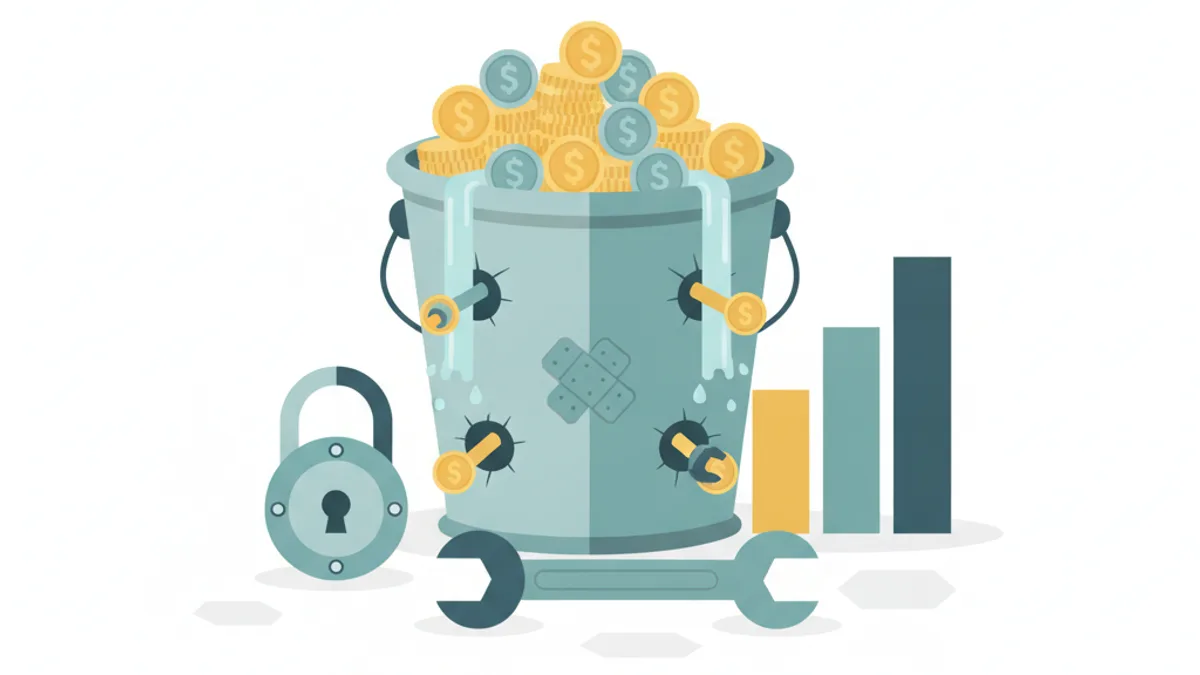
The fastest way to reduce churn is to recover failed payments with automated dunning (involuntary churn is often 20–40% of the total and highly recoverable). Then reduce voluntary churn with flexible pause/skip/swap, win-back offers, better onboarding, and the right delivery cadence.
First, split your churn in two
You can’t reduce churn you haven’t diagnosed. Every cancellation is either involuntary (a payment failed) or voluntary (the customer chose to leave). The fixes are completely different, so segment them first. See the full definition and formulas in the subscription churn glossary entry, and quantify the dollar impact with the free churn rate calculator.
Reduce involuntary churn (the fastest wins)
1. Turn on automated dunning
Failed payments are often 20–40% of all churn, and these customers still want your product. Automated dunning retries declined charges on a smart schedule and emails customers a one-click card-update link — recovering 40–60% of failed payments with zero acquisition cost.
2. Use smart, decline-aware retries
Not all declines are equal: insufficient funds should be retried at a different time than an expired card. Retry timing tuned to the decline reason recovers more than a fixed schedule.
3. Keep cards current
Card account updaters and network tokens refresh expired or reissued cards automatically, preventing failures before they happen. Pre-dunning emails warn customers about cards expiring before the renewal.
Reduce voluntary churn
4. Offer pause, skip, and swap — not just cancel
Many cancellations are really “I have too much” or “not this month.” A self-service portal that lets subscribers pause, skip a delivery, change frequency, or swap products keeps the subscription alive instead of ending it.
5. Get the delivery cadence right
Shipping faster than customers consume is a top churn cause. Offer flexible intervals and nudge customers to the cadence that matches their usage.
6. Add a cancellation flow with save offers
At the moment of cancellation, present a targeted offer (a discount, a pause, a smaller plan) and a short reason survey. The survey data tells you what to fix next. Keep the exit itself honest and easy — see how to cancel a Shopify subscription for what shoppers expect and what Shopify requires of you.
7. Strengthen onboarding and early value
Most churn happens early. A strong first-delivery experience, clear usage tips, and a quick win in the first weeks build the habit that drives long-term retention.
8. Reward loyalty
Points, tiered VIP discounts, and milestone perks give subscribers a reason to stay and raise switching cost.
9. Watch cohorts, not just the average
A blended churn number hides when customers leave. Cohort retention analysis reveals the exact moment of drop-off so you can fix the right thing — and confirm your changes are working.
The compounding payoff
Churn and retention are mirror images (retention rate = 100% − churn rate), and small improvements compound: lower churn lifts customer lifetime value and net revenue retention, which lets you profitably acquire more customers. RecurX builds the two biggest levers — dunning and a flexible portal — into every plan.
Frequently asked questions
How do I reduce churn in my subscription service?
Tackle both types of churn. For involuntary churn (failed payments), use automated dunning — smart retries plus card-update emails — to recover lapsed subscribers. For voluntary churn (active cancellations), offer flexible pause/skip/swap, win-back offers, and a cancellation survey. Recovering failed payments is usually the fastest, highest-ROI win.
What causes subscription churn?
The main causes are failed/declined payments (involuntary), delivering too much or too little product (wrong cadence), price sensitivity, weak onboarding, and a lack of perceived ongoing value. Failed payments alone often account for 20–40% of churn. Price sensitivity is usually a pricing-model problem rather than a discounting one — see [subscription pricing strategy](/blog/subscription-pricing-strategy).
How much can dunning reduce churn?
Automated dunning typically recovers 40–60% of failed payments on the first retries. Since involuntary churn is often 20–40% of total churn, recovering most of it can meaningfully lower your overall churn rate with no new acquisition spend.
What is a good subscription churn rate?
For consumer subscriptions, monthly churn under 5% is strong and 5–7% is common. Track the trend over time, and segment voluntary vs. involuntary churn so you know which lever to pull.
Cut churn on autopilot
RecurX recovers failed payments with built-in dunning and gives subscribers flexible pause/skip/swap — the two biggest churn levers, on every plan.
Install RecurX free →