Subscription Loyalty Programs: How to Reward Subscribers and Reduce Churn
For subscription merchants, a loyalty program is not a marketing add-on — it is a retention mechanism. Every point a subscriber earns raises the perceived cost of cancellation: walk away and the accumulated value is forfeited. This guide covers how to build a subscription loyalty program that reduces churn and grows lifetime value, including the reward structures that work, what to measure, and the mistakes that turn a well-intentioned program into a liability.
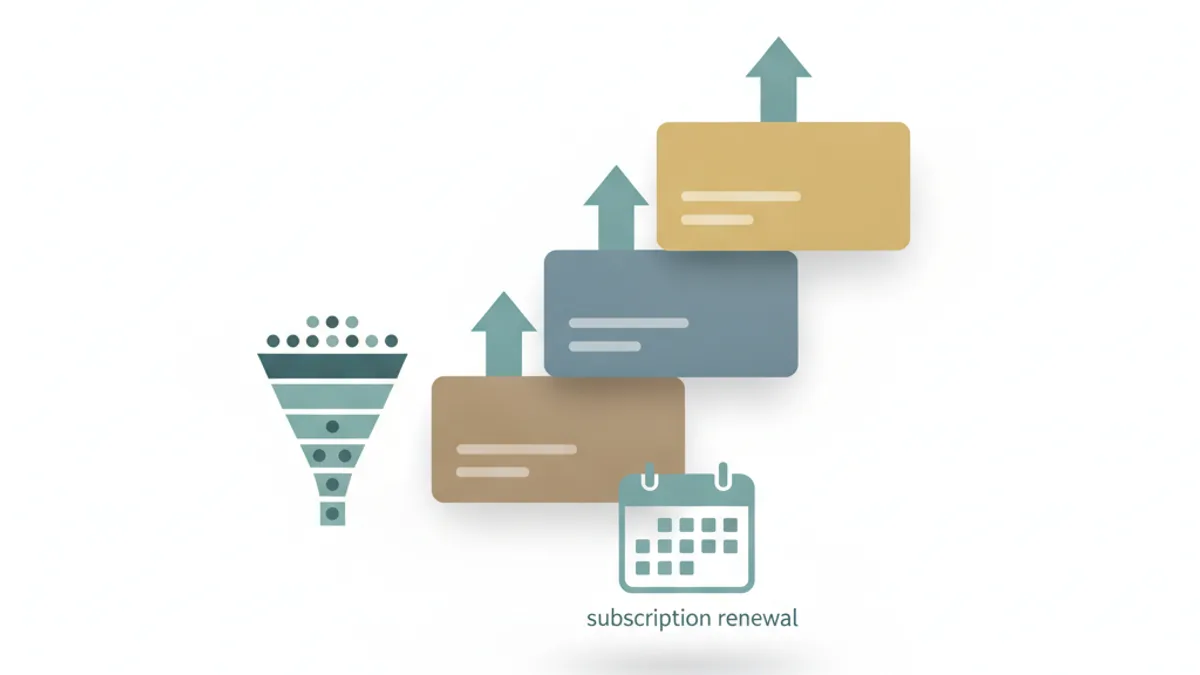
The most retention-effective subscription loyalty programs reward the recurring behavior — each order, each renewal — rather than just the first purchase. Add milestone rewards for longevity, referral rewards for acquisition, and redemption options that strengthen the subscription relationship (free product add-on, discount on next order) rather than encourage cancellation. Measure the churn rate of enrolled versus non-enrolled subscribers to know if the program is working.
Why loyalty programs work differently for subscriptions
In a traditional loyalty program, the goal is to convert a one-time buyer into a repeat buyer. For subscriptions, the customer is already committed to repeat purchases — the loyalty program has a different job: raise the perceived cost of cancellation and reward the behaviors that predict long-term retention.
A subscriber who earns points on every order is building up a balance that represents future value inside your brand. Cancelling means forfeiting that balance. The psychological friction of walking away from accumulated value — even a modest amount — dampens impulsive cancellations and tip-of-the-scale cancellations, the kind triggered by a momentary frustration rather than genuine dissatisfaction with the product.
The second effect is emotional recognition. Subscribers who feel seen — through a milestone reward at order five or a birthday bonus — feel a connection to the brand that raises satisfaction and increases referrals. Neither effect requires a complex or expensive program. The mechanics are simple; consistent execution is what determines whether the program actually reduces churn.
Three types of subscription loyalty structures
Most subscription loyalty falls into three structures. Many merchants combine two, using points as the ongoing base and milestones for key lifecycle moments.
| Structure | How it works | Best for |
|---|---|---|
| Points per order | Subscribers earn points on each renewal charge, redeemable for discounts or free products | Consumable replenishment subscriptions with frequent recurring orders |
| Milestone rewards | Automatic rewards triggered by a specific order number or number of months subscribed | Any subscription brand where rewarding longevity is a priority — especially boxes |
| Tiered membership | Subscribers unlock a higher tier after a spending threshold or order count, gaining better perks at each level | Higher-AOV subscriptions where segmenting and recognizing high-value subscribers adds meaningful value |
What behaviors to reward in a subscription
The default is to reward spending. For subscriptions, that means crediting points on each recurring charge. The behaviors that most strongly predict long-term retention, however, go beyond spending — they are engagement and commitment signals that are worth rewarding directly.
Avoid rewarding behaviors that work against the subscription. Giving bonus points for pausing, for example, teaches subscribers to pause more often. Keep rewards anchored to the behaviors you want more of: ordering, staying, and referring.
- Each renewal order — the core recurring behavior that sustains MRR.
- Reaching order milestones: order 3, order 5, order 10 — the points in the lifecycle where voluntary churn risk tends to be highest.
- Referring a friend who subscribes — turns the existing subscriber base into an acquisition channel at no additional ad spend.
- Leaving a product review — reinforces the subscriber investment in the brand and builds conversion-lifting social proof.
- Subscription anniversary or account birthday — a moment of personal recognition that improves satisfaction scores.
- Proactively updating payment details before expiry — an underused tactic that directly reduces involuntary churn.
What subscribers should be able to redeem
Redemption is where a loyalty program either reinforces the subscription relationship or works against it. The safest and highest-converting redemption options keep the subscriber inside the relationship rather than pointing them toward a one-time exit.
Avoid redemption that steers subscribers away from their subscription — for example, credit applicable only toward a new one-time purchase, or rewards that require cancelling and re-subscribing to claim. Every redemption path should end with the subscription intact.
- A free product added to the next recurring order — raises perceived order value with no disruption to the billing relationship.
- A discount applied to the next renewal charge — reduces cost friction for subscribers who are wavering.
- Early access to a new product or limited release — an exclusive perk that carries high perceived value with minimal direct cost.
- A free one-time upgrade to a larger size or higher quantity on the next order.
- A surprise gift at a high-value milestone — a meaningful gesture at order 12 or month 12 that signals the brand genuinely values long-term subscribers.
How to set up subscription loyalty on Shopify
Shopify does not include a built-in loyalty system, so you will need a third-party app. There are two approaches: a standalone loyalty app integrated with your subscription platform, or a subscription-native loyalty feature within the subscription app itself.
Standalone loyalty apps such as Smile.io, LoyaltyLion, and Yotpo Loyalty can connect to your subscription app via webhooks or direct integrations. They handle points, tiers, and reward emails, but subscription-specific data — such as the order number within a subscription rather than total order count — may require additional custom configuration to work correctly.
Subscription-native loyalty, offered by platforms including RecurX, ties points and milestones directly to subscription data without a separate integration layer. For merchants who do not already have a standalone loyalty stack, this is typically the lower-friction path to launch.
Whichever route you take, the customer portal is the primary surface for loyalty information. Subscribers should be able to see their current balance, their progress toward the next milestone, and available redemptions from within the same interface they use to manage their subscription — not a separate dashboard that most will never visit.
Measuring loyalty program ROI
A loyalty program with no measurement is a cost center, not a retention tool. These are the metrics that distinguish a working program from one that looks good on paper but is not moving churn.
| Metric | What it measures | How to use it |
|---|---|---|
| Churn rate: members vs. non-members | Whether enrolled subscribers cancel at a lower rate than non-enrolled subscribers | The primary test of retention impact — run the comparison after 90+ days to allow balances to accumulate |
| Loyalty enrollment rate | Percentage of active subscribers who have joined the program | Low enrollment signals the program is not visible or compelling enough at onboarding |
| Redemption rate | Percentage of earned points or rewards that are actually redeemed | Too low means rewards are not motivating; very high may indicate the earn rate is too generous |
| Add-on attach rate via loyalty | Free products added to orders through loyalty redemptions | Confirms whether redemption is driving incremental order value |
| Points liability | Total outstanding value of unredeemed points across all members | A balance-sheet risk to monitor as the program matures — watch for a runaway liability that compresses margin |
Common loyalty program mistakes
Most subscription loyalty programs that underperform do so for one of the same few reasons. Each is avoidable with a small adjustment at setup or launch.
- Making enrollment opt-in and never promoting it: if subscribers do not know the program exists, it cannot affect their behavior. Auto-enroll all new subscribers and surface the program prominently during onboarding and in the customer portal.
- Earn rates that are too low to feel meaningful: a subscriber who earns 1 point per dollar and needs 500 points for a modest reward is unlikely to feel motivated. Test the math from the subscriber perspective — after a typical lifetime, what is the earned value, and does it feel worth caring about?
- Setting expiry dates that trigger frustration: points expiring before subscribers have a chance to redeem them creates resentment rather than loyalty. If expiry is necessary, give at least 60 days of warning before any balance is forfeited.
- Burying or overcomplicating redemption: if claiming a reward requires contacting support or navigating a separate portal, most subscribers will not bother. Redemption must be a one-click action inside the customer portal or an automatic credit applied to the next order.
- Running the program without measuring churn impact: set up the enrolled-versus-non-enrolled churn comparison from day one. Without it, there is no way to know whether the program is a retention asset or just an ongoing cost.
Frequently asked questions
How does a subscription loyalty program differ from a standard loyalty program?
A standard loyalty program aims to convert one-time buyers into repeat buyers. A subscription loyalty program has a different goal: raise the switching cost of cancellation and reward the recurring behaviors — each order, each renewal — that predict long-term retention. The earn structure, redemption options, and success metrics are all oriented toward keeping subscribers in the relationship rather than converting new ones.
What should I reward in a subscription loyalty program?
Reward the behaviors you want more of: each renewal order, reaching order milestones, leaving reviews, and referring friends. Avoid rewarding behaviors that work against the subscription, such as pausing or skipping, as these teach subscribers to do those things more often. Proactively updating payment details is an underused behavior worth rewarding because it directly reduces involuntary churn.
How do I know if my loyalty program is actually reducing churn?
Compare the monthly churn rate of loyalty-enrolled subscribers against non-enrolled subscribers over a 90-day period or longer. If enrolled subscribers cancel at a meaningfully lower rate, the program is working. If the rates are similar, revisit the earn structure and redemption options — the program may not be creating enough perceived value to change behavior.
Mo Boumzoud — Founder, RecurX. Mo is the founder of RecurX and writes about subscription commerce, retention, and growth for Shopify merchants. RecurX powers subscriptions for direct-to-consumer brands.
Keep reading
- 15 Customer Retention Strategies for Ecommerce (2026)15 proven, practical retention strategies for ecommerce and subscription brands — ordered by return on effort, with the tactics that actually move churn.
- Subscription Upsell Strategies: How to Grow LTV Per SubscriberGrow revenue from existing subscribers with upsell strategies designed for the subscription context — frequency bumps, tier upgrades, add-ons, and bundles timed to the moments when customers are most receptive.
Start growing recurring revenue on Shopify
RecurX has a free-forever plan and zero transaction fees on every tier. Install in minutes.
Install RecurX free →