Subscription Email Marketing: 7 Sequences Every Subscriber Business Needs
Most subscription brands have email marketing set up — but most of it is broadcast newsletters and promotional blasts. The email work that actually drives retention is triggered sequences: automated flows that fire at the right moment in a subscriber's lifecycle. This guide covers the 7 sequences every Shopify subscription merchant needs, what each one does, and how to prioritize them.
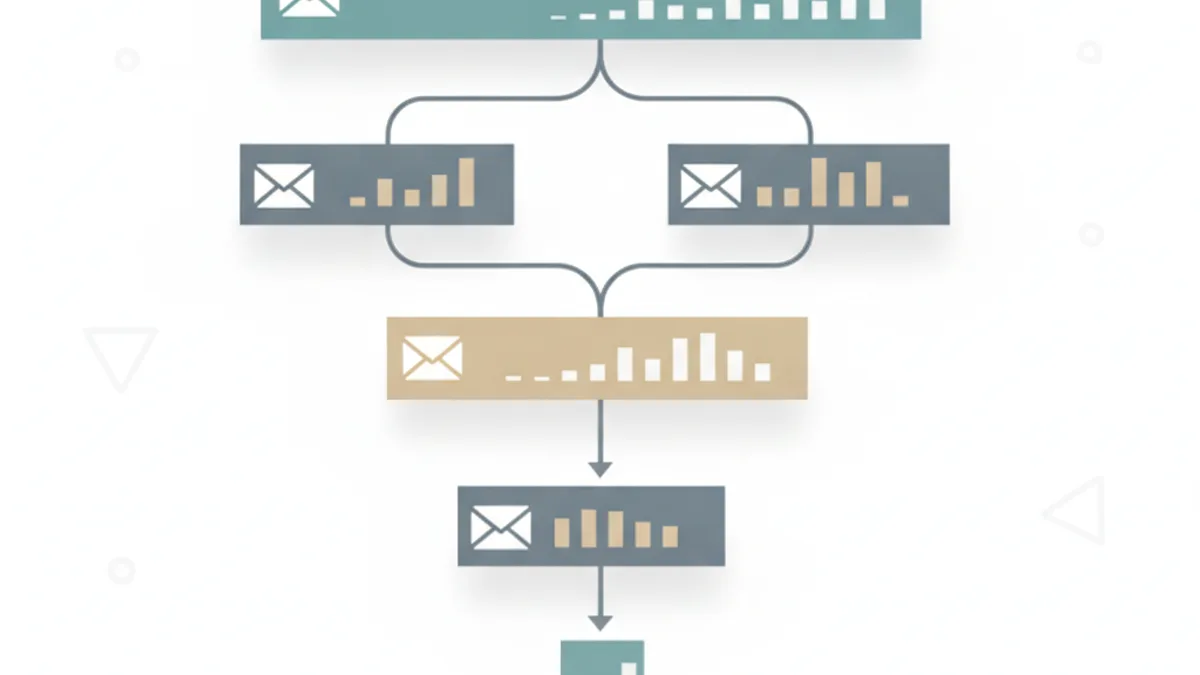
The 7 subscription email sequences that drive retention are: (1) welcome series, (2) pre-billing reminder, (3) failed payment / dunning, (4) value and habit-formation drip, (5) subscriber milestone emails, (6) cancellation save flow, and (7) win-back flow for churned subscribers. Build them in that order — the first three alone recover the most preventable churn and take the least time to build.
Why subscription email is different from regular ecommerce email
In a standard ecommerce business, email works primarily as an acquisition and promotional channel: abandoned cart nudges, sale announcements, new arrival alerts. For subscription businesses, email serves a different purpose entirely. The subscriber already converted — the job now is to keep them engaged, prevent billing surprises, recover failed payments, and catch voluntary churners before they leave for good.
Triggered subscription emails — messages fired by a specific lifecycle event rather than a broadcast calendar — are what separate retention-focused programs from generic ones. A billing reminder landing three days before a charge, a welcome tip arriving the morning after signup, a dunning email firing within hours of a decline: each one is relevant because it is timed to an event the subscriber actually cares about. Relevance drives opens; opens create the moment to retain.
Email also has a structural advantage over social and paid channels: it is owned. There is no algorithm deciding whether your subscriber sees the message. If a subscriber's payment fails, you can reach them directly, immediately, and at zero incremental cost. That access is the foundation of a retention email program.
The 7 subscription email sequences at a glance
These seven sequences address different moments in the subscriber lifecycle. They are ordered by implementation priority — build the first three before everything else, because they address the highest-volume, most recoverable churn.
| Sequence | Triggered by | Primary goal |
|---|---|---|
| Welcome series | New subscription created | Set expectations; build first-cycle habit |
| Pre-billing reminder | 3–5 days before charge | Reduce surprise-charge cancellations |
| Failed payment / dunning | Declined charge | Recover involuntary churn |
| Value and habit drip | Days 7–60 after signup | Reduce early voluntary churn |
| Subscriber milestone emails | Order count, tenure, or spend threshold | Reward loyalty; surface upsells |
| Cancellation save flow | Cancel intent in customer portal | Convert cancels to saves or pauses |
| Win-back flow | 7–14 days post-cancellation | Re-acquire churned subscribers |
Welcome series: first impressions that define tenure
The welcome series covers the riskiest stretch of a subscriber's life: the first 30 days. Voluntary churn concentrates in the early weeks — before the product becomes a habit, before the subscriber has experienced enough cycles to justify the ongoing cost, and before any real relationship has formed with the brand. A structured welcome series does the work of habit formation and expectation-setting before that first cancel impulse strikes.
A well-structured welcome series has three jobs: set expectations clearly (when the order ships, what arrives, how the customer portal works), deliver quick product value (a tip, a use case, or a recipe that makes the product feel worth the recurring cost), and open a feedback loop (a brief check-in that invites subscribers to surface problems before they silently churn).
A practical five-email cadence: Email 1 fires immediately at signup — subscription confirmed, ship date set, customer portal link included. Email 2 arrives on day 2 — a product introduction or a how-to-get-the-most-out-of-this tip. Email 3 at day 7 — a check-in with a soft feedback prompt. Email 4 at day 10 — social proof or a community touchpoint. Email 5 at day 14 — a heads-up that the first renewal is approaching, with a direct link to skip or adjust if needed. Three well-crafted emails beat five mediocre ones; if you are starting from scratch, begin with emails 1, 3, and 5.
Pre-billing reminder: cut surprise-charge cancellations
A pre-billing reminder is the most underused high-ROI email in subscription commerce. Sending one 3–5 days before a charge gives subscribers advance notice of what is coming, which eliminates the most common trigger for a reactive cancellation: an unexpected charge on a card the subscriber had mentally forgotten about.
The email is functional, not promotional: the upcoming charge amount, the expected ship date, a one-click link to skip or pause, and a link to update payment details. No marketing copy. The subscriber who was not planning to cancel will simply let it process. The subscriber who needed a break will skip. The subscriber whose card has changed has time to update it. All three outcomes are better than not sending the email.
Subject lines that name the event plainly — "Your subscription ships in 4 days" or "Upcoming charge on [date]" — outperform anything that sounds like a promotional email. Brevity and utility are the entire value of this send.
Failed payment emails and dunning
Dunning emails are the communication layer of your failed-payment recovery system. The retry logic in your subscription platform handles the actual charge attempts; the email sequence handles communication and friction reduction so subscribers update their card before the subscription is cancelled.
A core dunning sequence runs over 7–14 days following the initial failed charge. Email 1 fires within hours: "Your payment didn't go through" in the subject line, a one-sentence explanation, and a direct one-click link to update the payment method. Email 2 fires 2–3 days later if no action: same message, slightly more urgent framing, direct link. Email 3 is the threshold email: "We will pause your subscription in 48 hours — click here to keep it active." Each email needs exactly one call to action — a magic link that updates the payment without requiring a portal login is considerably more effective than a link to a generic login screen.
Keep dunning emails short and transactional. The subscriber needs to solve a logistics problem, not read brand storytelling. Utility is the respect here. See the full dunning playbook for the retry timing logic that runs alongside these emails.
Value drip and habit-formation emails (days 7–60)
After the welcome series ends, many subscription brands go quiet until a billing event forces contact. That silence coincides with the window where early voluntary churn peaks — the 30–60 day stretch when new-subscriber excitement has faded but the product has not yet become a habit. A light value drip fills that gap.
The purpose of these emails is utility, not promotion. A usage tip the subscriber may not have discovered. A recipe or how-to that makes the product feel indispensable. A product insight that adds meaning to the recurring order. Two or three well-chosen emails in this window do more retention work than a monthly newsletter, because they are relevant to where the subscriber actually is in their relationship with the product.
Keep this sequence sparse. If you cannot think of an email that adds clear value to the subscriber's life, do not send one. An unnecessary email in this window is more likely to erode permission than build it — and an unsubscribe from a still-subscribed customer is a bad outcome.
Subscriber milestone emails
Milestones are natural acknowledgement moments: the third order, the ninety-day mark, the sixth-month anniversary, or a meaningful spend threshold. A subscriber who has been with you for three months has already demonstrated that they find value in the subscription — a milestone email acknowledges that and deepens the relationship in a way that routine billing communication cannot.
The best milestone emails do two things: they make the subscriber feel recognized as a loyal customer, and they offer something that extends the relationship's value — a referral prompt, a frequency upgrade offer, a sneak preview of a new product, or a VIP discount on a complementary item. Avoid generic "thank you for being a subscriber" copy; tie the message to the specific milestone and make the offer feel earned rather than promotional.
Time upsell milestone emails to the moments where subscribers are at peak trust and satisfaction: after the third or fourth successful order, after a five-star review, or at the ninety-day mark. Those are the windows identified in any upsell strategy as the highest-converting — the combination of a milestone acknowledgement and a relevant offer is more effective than either alone.
Win-back and cancellation save flows
Cancellation save emails work best in the window immediately around a cancel event. If a subscriber initiates a cancel flow in the customer portal and does not convert on a save offer, an email sent within 30–60 minutes — "We noticed you were about to cancel; here is a skip option instead" — can catch people who changed their mind mid-flow or were interrupted. Offer one action with no friction: a pause, a skip, or a frequency reduction. No guilt, no lecture.
Win-back flows target subscribers who have already cancelled. The window that matters most is the first 30 days: the memory of the product is still fresh, the decision may have been impulsive, and a well-timed reason to return can convert effectively. A practical win-back cadence: Email 1 at day 7 — acknowledge the cancellation without pressure, and include an optional one-question survey about why they left. Email 2 at day 21 — a value-forward update ("here is what is new") that is informational rather than sales-heavy. Email 3 at day 30 — a concrete reactivation offer with a clear deadline, such as a discounted first cycle back or a free add-on.
Beyond 45–60 days post-cancellation, win-back rates drop sharply. Do not suppress long-churned subscribers from your list, but segment them separately. Message them only when you have genuinely compelling news — a meaningful product improvement, a significant seasonal promotion, or a major brand change — rather than on a routine marketing cadence. Regular promotional emails to long-churned subscribers spend permission and invite unsubscribes.
Frequently asked questions
How many emails should a subscription welcome series have?
Three to five emails over the first two weeks is a practical range. The minimum viable welcome series is three emails: a signup confirmation with expectations set immediately at sign-up, a product tip around day two or three, and a renewal heads-up around day fourteen. Add a day-seven check-in and a social proof email if your audience engages well with them. Quality matters more than quantity — three excellent emails beat five mediocre ones every time.
What should a subscription dunning email say?
Keep dunning emails short and transactional. The subject line should name the problem plainly — something like "Your payment didn't go through." The body needs one sentence explaining what happened and a single call to action: a direct link to update their payment method, ideally without requiring a full login. Avoid lengthy copy or brand storytelling in a dunning email. The subscriber needs to fix a billing issue, and any friction between them and that action is revenue left unrecovered.
How long should a subscription win-back email sequence run?
A win-back sequence is most effective in the first 30 days post-cancellation. Send email 1 around day 7 as a low-pressure check-in, email 2 around day 21 as a value update, and a final reactivation offer at day 30 with a clear deadline. After 45–60 days, win-back conversion rates drop sharply — beyond that window, email churned subscribers only when you have genuinely compelling news, such as a meaningful product change or a significant promotion, rather than on a regular cadence.
Mo Boumzoud — Founder, RecurX. Mo is the founder of RecurX and writes about subscription commerce, retention, and growth for Shopify merchants. RecurX powers subscriptions for direct-to-consumer brands.
Keep reading
- 15 Customer Retention Strategies for Ecommerce (2026)15 proven, practical retention strategies for ecommerce and subscription brands — ordered by return on effort, with the tactics that actually move churn.
- Failed Payment Recovery for Shopify Subscriptions: The Dunning PlaybookFailed payments are often the biggest source of preventable revenue loss in any subscription business. This is the complete playbook: retry logic, email sequences, pre-dunning, and account updaters.
Start growing recurring revenue on Shopify
RecurX has a free-forever plan and zero transaction fees on every tier. Install in minutes.
Install RecurX free →