The 9 Subscription Cancellation Reasons (and the Fix for Each)
Ask merchants why subscribers cancel and most guess “price.” Ask subscribers — via exit surveys and cancellation-flow data — and a different picture emerges: the top reasons are usually logistical (too much product piling up, a payment that failed) rather than a verdict on the product. That distinction matters, because logistical cancellations are highly preventable.
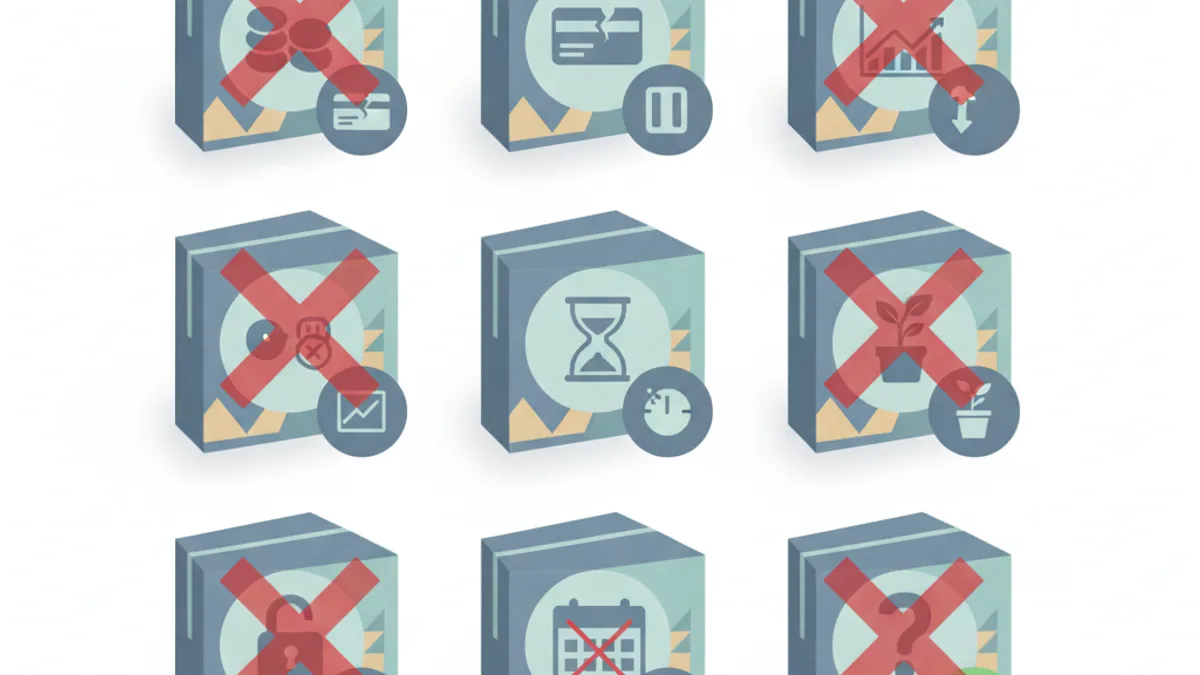
The nine reasons subscribers cancel: too much product, price/perceived value, failed payments, forgot they subscribed, product dissatisfaction, wanted variety, only wanted the intro deal, life changes, and poor support experience. Each has a distinct fix — pause/skip options for surplus, dunning for failed payments, swap options for variety fatigue. A cancellation flow that diagnoses the reason before processing the cancel routinely saves 10–30% of would-be churners.
Why the reason matters more than the cancellation
Every cancellation carries a diagnosis, and each diagnosis has a different treatment. A subscriber drowning in coffee doesn’t need a discount — they need to skip a month. A subscriber whose card expired doesn’t need a win-back email — they need a payment-update link. Treating all churn with one blunt instrument (usually a discount) overpays for some saves and misses others entirely.
The list below is ordered by how often each reason appears in cancellation surveys across consumer subscription categories.
1. “I have too much product”
The #1 stated reason for replenishment subscriptions. Consumption rarely matches a fixed cadence, product accumulates, and cancelling feels like the responsible choice. The subscriber often likes the product — the schedule is the problem.
The fix: make skip, pause, and frequency changes one tap in the portal and offer them inside the cancellation flow (“skip your next delivery instead?”). Merchants consistently find a large share of cancellers accept a skip or pause when it is offered at the moment of cancellation.
2. Price and perceived value
The subscription stops feeling worth it — often after an intro discount ends or when household budgets tighten. This is genuine value churn, and it responds to value, not just discounts.
The fix: reinforce value between deliveries (usage content, loyalty points, member perks), and use targeted save offers in the cancellation flow — a smaller next box, a lighter tier, or a one-time discount. Reserve the discount for this diagnosed case rather than spraying it at everyone.
3. Failed payments (involuntary churn)
The subscriber didn’t decide anything — their card expired, got reissued, or a charge bounced, and the subscription lapsed. This is commonly 20–40% of total churn, and the subscriber often doesn’t know it happened.
The fix: dunning automation — decline-aware retries, one-click card-update links over email/SMS/WhatsApp, and a grace period before cancellation. Recovering 40–70% of failed renewals is a realistic target; see how to recover failed subscription payments.
4. “I forgot I subscribed”
A charge notification triggers surprise, then cancellation — sometimes a chargeback. Common after long gaps between deliveries or an intro offer that quietly rolled into full price.
The fix: pre-renewal notifications (“your next box ships in 3 days — skip or swap?”). Counterintuitively, warning subscribers before charging *reduces* churn: surprise is what cancels, not the charge. It also nearly eliminates subscription chargebacks.
5. Product dissatisfaction
The product missed expectations — taste, fit, results, quality. Honest churn that no retention mechanic can (or should) fully block.
The fix: listen and route. Collect the specific complaint in the exit survey, offer a swap to a different variant where it fits, and feed the data back to product. High dissatisfaction churn in one cohort or SKU is a product signal, not a retention problem.
6. Wanted variety
Fatigue with receiving the same thing — endemic in snacks, beauty, and any discovery-adjacent category.
The fix: swaps and build-your-own. Letting subscribers change flavors, rotate products, or curate their next box converts variety-seeking from a cancellation reason into an engagement loop. Cross-sell add-ons serve the same impulse.
7. Only wanted the intro offer
Deal-seekers who subscribed for the discounted first box with no intention of paying full price. Visible as steep cycle-2 churn on heavily discounted intro offers.
The fix: structure offers to reward staying, not joining — e.g. escalating loyalty rewards or a discount spread over the first three boxes instead of front-loaded. Track cohort retention by acquisition offer and kill offers whose cohorts never stick; the KPI guide covers the cohort math.
8. Life changes
Moves, budgets, babies, diets — context changes that no product improvement addresses.
The fix: make leaving graceful and returning easy. A pause-for-N-months option holds the relationship; a clean cancellation with a warm win-back flow 60–90 days later recovers a meaningful slice once the disruption passes.
9. Poor support or portal experience
Couldn’t change the date, couldn’t reach support, felt trapped by a hidden cancel button. This reason punches far above its frequency in damage, because it converts neutral leavers into detractors who warn others.
The fix: a genuinely self-service portal (pause, skip, swap, frequency, payment, cancel — no email required) and a cancel button that is easy to find. Making cancellation hard is also a compliance problem: Shopify requires that buyers can cancel subscriptions themselves.
Build the diagnosis into your cancellation flow
The practical implementation: a short exit survey inside the cancellation flow, with each answer routing to its matched save offer — skip for surplus, payment update for card issues, swap for variety, targeted discount for price. Answers you can’t save still become your churn-reason dashboard.
- Ask the reason first, with 5–7 specific options (not a free-text box).
- Route each reason to its one matched counter-offer — never stack multiple offers.
- Always leave a clean path to cancel; a trapped subscriber never comes back.
- Review the reason distribution monthly — it is the highest-signal retention report you have.
The full design pattern is in how to build a subscription cancellation flow. RecurX ships this as Revenue Shield: reason-routed save offers, pause/skip/swap actions, and churn-reason analytics, with Rescue Sequences handling the involuntary side automatically.
Frequently asked questions
What are the most common subscription cancellation reasons?
Across consumer subscription surveys, the most common reasons are having too much product on hand, price or declining perceived value, failed payments the subscriber never chose (involuntary churn), forgetting the subscription existed, product dissatisfaction, wanting variety, intro-deal seeking, life changes, and poor support or portal experiences.
Why do customers cancel subscriptions even when they like the product?
Because most cancellations are logistical, not evaluative: product piles up faster than it is consumed, a card expires, or the cadence stops fitting their routine. These subscribers accept skips, pauses, or frequency changes at high rates when offered at the moment of cancellation.
How do you reduce subscription cancellations?
Diagnose before you discount: put a short reason survey in the cancellation flow and route each answer to its matched fix — skip/pause for surplus, dunning and card-update links for failed payments, swaps for variety fatigue, targeted offers for price. Flows built this way routinely save 10–30% of would-be cancellations.
What percentage of churn is involuntary?
Failed payments typically account for 20–40% of subscription churn. It is the cheapest churn to fix because the subscriber never decided to leave — smart retries plus payment-update requests recover 40–70% of failures.
Mo Boumzoud — Founder, RecurX. Mo is the founder of RecurX and writes about subscription commerce, retention, and growth for Shopify merchants. RecurX powers subscriptions for direct-to-consumer brands.
Keep reading
- Subscription Cancellation Flow: How to Save Subscribers Before They CancelReplace the instant-cancel button with a save flow — a reason survey, a matched save offer, and a clean exit for those who still want to leave — and save 20–35% of cancel attempts.
- Subscription Win-Back Campaigns: How to Re-engage Cancelled SubscribersCancelled subscribers are warm leads, not lost causes. This win-back playbook covers timing, segmentation, email sequences, and the offers that convert lapsed subscribers back into active ones.
- Failed Payment Recovery for Shopify Subscriptions: The Dunning PlaybookFailed payments are often the biggest source of preventable revenue loss in any subscription business. This is the complete playbook: retry logic, email sequences, pre-dunning, and account updaters.
Start growing recurring revenue on Shopify
RecurX has a free-forever plan and zero transaction fees on every tier. Install in minutes.
Install RecurX free →