اشتراکهای هدیه در Shopify: نحوه راهاندازی، فروش و توسعه آنها
اشتراک هدیه یکی از معدود کانالهای جذب مشتری است که در آن شخص دیگری هزینه را برای آوردن یک مشترک جدید به برند شما میپردازد. اهداکننده هزینه را پوشش میدهد؛ شما یک دریافتکننده مشتاق و واجد شرایط به دست میآورید که قبلاً محصول شما را تجربه کرده است و اگر انتقال را به خوبی مدیریت کنید، ممکن است سالها پرداخت کند. این راهنما به نحوه راهاندازی اشتراکهای هدیه در Shopify، قیمتگذاری آنها، ترویج آنها و — از همه مهمتر — نحوه تبدیل دریافتکنندگان به مشترکین پولی بلندمدت میپردازد.
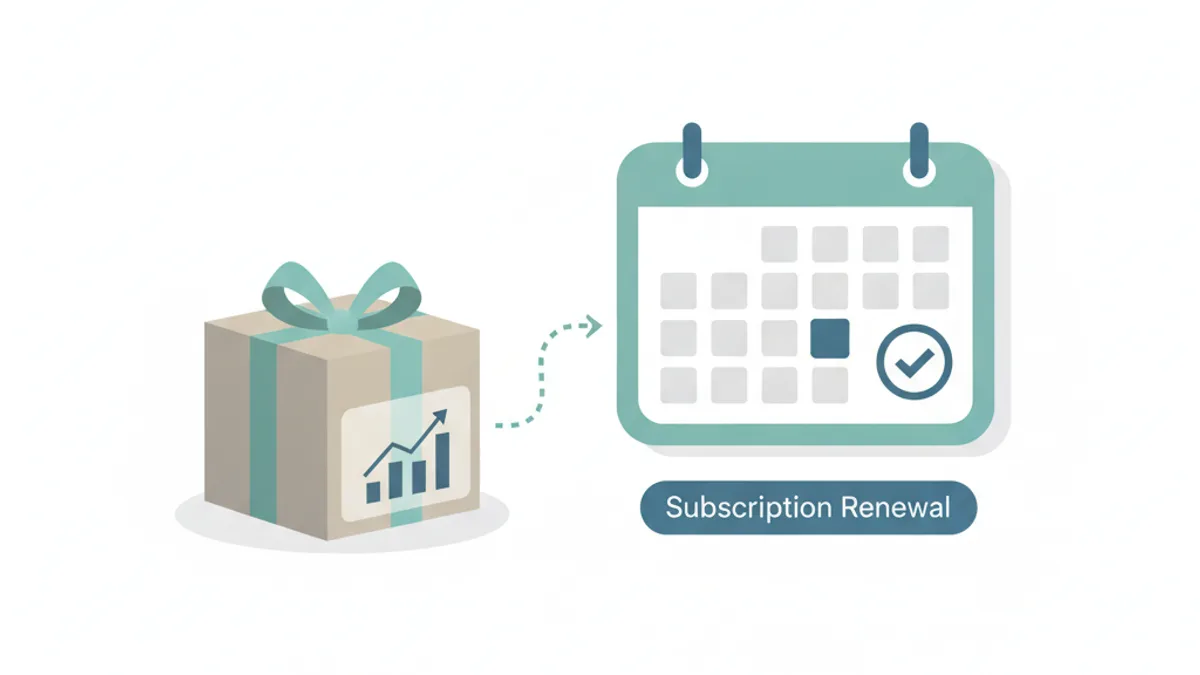
اشتراکهای هدیه یک اهرم رشد متمایز هستند: یک کانال جدید جذب مشتری که کاملاً توسط اهداکننده تأمین مالی میشود. گزینههای مدت زمان (1، 3 یا 6 ماه رایجترین هستند) را تنظیم کنید، آنها را با قیمت کامل خردهفروشی و بدون تخفیف مشترک قیمتگذاری کنید، و یک لحظه تبلیغاتی اختصاصی در اطراف فصول اصلی هدیه دادن ایجاد کنید. معیاری که ارزش بلندمدت را تعیین میکند، نرخ تبدیل هدیه به مشترک است — سهم دریافتکنندگانی که پس از اتمام هدیه، با یک اشتراک پولی ادامه میدهند. یک توالی ایمیل قبل از انقضا که یک فراخوان اقدام (CTA) واضح برای اشتراک را نشان میدهد، مؤثرترین تاکتیک برای بهبود آن است.
چرا اشتراکهای هدیه اهرم رشد متفاوتی هستند
اکثر جذب مشتری نیازمند بودجه بازاریابی شما برای یافتن، جذب و تبدیل یک غریبه است. اشتراکهای هدیه این پویایی را برعکس میکنند: یک مشتری موجود یا یک اهداکننده جدید هزینه میپردازد تا شخصی را به برند شما بیاورد و به طور کامل جذب را یارانهای کند. مشترکی که دریافت میکنید مشتاق است — او قبل از اینکه شما حتی یک پنی برای تبدیل او خرج کنید، محصول شما را دریافت کرده و از آن استفاده کرده است.
یک اثر ترکیبی وجود دارد که این کانال را برای برندهای اشتراکی به ویژه ارزشمند میکند. اهداکنندگان معمولاً مشتریان پرشوری هستند که به محصول به اندازه کافی اعتقاد دارند تا آن را هدیه دهند. سیگنال اجتماعی که با یک هدیه میآید — "این چیزی است که کسی که من را میشناسد فکر میکند دوست خواهم داشت" — اولین تأثیر قویتری نسبت به هر تبلیغی ایجاد میکند. دریافتکنندگانی که پس از یک هدیه به مشترکین پولی تبدیل میشوند، رضایت بالاتری و ریزش اولیه کمتری نسبت به مشترکین جذب شده از طریق روشهای سنتی دارند، زیرا آنها از طریق یک توصیه قابل اعتماد وارد رابطه شدهاند و نه از طریق یک ادعای بازاریابی.
اشتراکهای هدیه همچنین به شما یک افزایش فصلی در جذب مشتری مستقل از تقویم بازاریابی عادی شما میدهند. فروشندگانی که یک برنامه اشتراک هدیه ایجاد میکنند، افزایش قابل توجهی در درآمد را در هفتههای قبل از کریسمس، روز ولنتاین، روز مادر و روز پدر گزارش میدهند — مناسبتهای هدیه دادنی که به طور طبیعی با محصولات اشتراکی در هر دستهای از غذا و زیبایی گرفته تا مکملها و لوازم حیوانات خانگی هماهنگ هستند.
نحوه کار اشتراکهای هدیه: تجربه دوطرفه
یک اشتراک هدیه شامل دو طرف مجزا با تجربههای متفاوت است: اهداکنندهای که هزینه را میپردازد، و دریافتکنندهای که اشتراک را استفاده میکند. صحیح بودن هر دو تجربه ضروری است — یک فرآیند پرداخت گیجکننده برای اهداکننده یا یک جریان فعالسازی ناخوشایند برای دریافتکننده منجر به هدایای رها شده و تبدیلهای از دست رفته میشود.
جریان اهداکننده نزدیک به یک خرید استاندارد است: مدت زمان هدیه را انتخاب میکند، یک محصول یا نوع محصول را انتخاب میکند (اگر اشتراک امکان شخصیسازی را بدهد)، مبلغ را از پیش پرداخت میکند، و یا یک کد هدیه برای ارسال دریافت میکند یا یک تاریخ تحویل برای ارسال ایمیل مستقیماً به دریافتکننده تعیین میکند. بسیاری از پلتفرمها ارسال ایمیل تحویل را برای روز تولد یا تعطیلات پشتیبانی میکنند، که یک ویژگی کوچک است اما تجربه هدیه دادن را به طور معنیداری بهبود میبخشد.
جریان دریافتکننده زمانی آغاز میشود که او اعلان هدیه را دریافت میکند — معمولاً یک ایمیل حاوی کد یا لینک فعالسازی. او با فعالسازی کد، وارد کردن جزئیات حمل و نقل و دسترسی به پورتال مشتری، اشتراک را فعال میکند. از آن نقطه به بعد، تجربه مشابه یک مشترک عادی است: او سفارشها را دریافت میکند، میتواند ترجیحات خود را مدیریت کند و وضعیت اشتراک خود را ببیند.
| مرحله | تجربه اهداکننده | تجربه دریافتکننده |
|---|---|---|
| انتخاب | مدت زمان، محصول و تاریخ تحویل را انتخاب میکند | درگیر نیست — اعلان هدیه را دریافت میکند |
| پرداخت | کل مبلغ را از پیش برای تمام دوره هدیه پرداخت میکند | در طول دوره هدیه هیچ مبلغی پرداخت نمیکند |
| فعالسازی | تأییدیه و کد هدیه یا تأییدیه تحویل را دریافت میکند | کد را فعال میکند، حساب کاربری را تنظیم میکند، آدرس حمل و نقل را وارد میکند |
| در طول هدیه | نیاز به اقدام دیگری نیست | سفارشها را دریافت میکند، اشتراک را در پورتال مدیریت میکند |
| نزدیک به انقضا | ممکن است اطلاعیه اتمام هدیه را دریافت کند | ایمیلهای پیش از انقضا با فراخوان اقدام (CTA) برای اشتراک را دریافت میکند |
| پس از انقضا | هدیه کامل شده است؛ شارژ تکرارشوندهای برای اهداکننده وجود ندارد | انتخاب میکند که اشتراک را ادامه دهد (و پرداخت کند) یا اجازه دهد اشتراک منقضی شود |
انتخاب آنچه به عنوان اشتراک هدیه ارائه شود
همه محصولات اشتراکی به یک اندازه خوب به فرمت هدیه تبدیل نمیشوند. قویترین کاندیداهای اشتراک هدیه دارای چند ویژگی مشترک هستند: قابل کشف هستند (اهداکننده میتواند آنها را در یک جمله توضیح دهد)، مناسبتهای هدیه دادن مشخصی دارند (مصرفیهایی که مردم از آنها لذت میبرند، تجربههایی که میخواهند امتحان کنند، یا محصولاتی که اشاره کردهاند که میخواهند)، و میتوانند بدون نیاز به انتخابهای پیچیده از سوی دریافتکننده قبل از ارسال اولین سفارش، تحویل داده شوند.
محصولاتی که به عنوان اشتراک هدیه به خوبی عمل میکنند شامل غذاها و نوشیدیدنیهای تخصصی، جعبههای زیبایی و مراقبت از پوست، مکملها، غذای حیوانات خانگی و خوراکیها، اشتراکهای کتاب یا محتوا، و جعبههای تجربهمحور که حول یک سرگرمی یا علاقه ساخته شدهاند، میباشند. محصولاتی که هدیه دادن آنها دشوارتر است، آنهایی هستند که نیاز به درجه بالایی از شخصیسازی قبل از ارائه هرگونه ارزش دارند، یا آنهایی که اندازهگیری و تناسب، پیچیدگیهایی را اضافه میکنند که اهداکننده نمیتواند از طرف دریافتکننده آنها را مدیریت کند.
برای مدت زمان، سه گزینه بیشتر نیازهای فروشندگان را پوشش میدهد. یک هدیه یک ماهه یک نقطه شروع کمریسک برای اهداکنندگانی است که از سلیقه دریافتکننده مطمئن نیستند. یک هدیه سه ماهه، نقطه ایدهآل برای اکثر دستهها است — به اندازه کافی طولانی است تا دریافتکننده عادت واقعی را شکل دهد و ارزش معناداری را تجربه کند، و به اندازه کافی کوتاه است که اهداکننده احساس نکند از طرف دریافتکننده به یک محصول ناشناخته متعهد میشود. یک هدیه شش ماهه یا سالانه برای محصولاتی با رفتار تکراری قوی و اعتماد بالای اهداکننده مناسب است — به عنوان مثال، یک برند قهوه که اهداکننده میداند دریافتکننده علاقهمند است.
| مدت زمان | بهترین برای | پروفایل اهداکننده |
|---|---|---|
| 1 ماه | هدایای آزمایشی، پیشنهادات مقدماتی، محصولات با قیمت پایینتر | اهداکنندگان نامطمئن از ترجیحات دریافتکننده |
| 3 ماه | اکثر دستههای اشتراکی؛ رایجترین مدت زمان هدیه | اهداکنندگان مطمئن در دسته محصول اما نه در مورد محصول خاص |
| 6 ماه | محصولات با علاقه بالا، دستههای پریمیوم، اشتراکهای تجربی | اهداکنندگان مشتاقی که خودشان از محصول استفاده میکنند |
| سالانه | اعتماد بسیار بالا از سوی اهداکننده؛ محصولات با تکرار خرید قوی | اهداکنندگانی که مشترکین فعلی یا حامیان برند هستند |
قیمتگذاری اشتراکهای هدیه
رایجترین اشتباه در قیمتگذاری اشتراکهای هدیه، اعمال همان تخفیف اشتراک و صرفهجویی است که مشترکین عادی دریافت میکنند. این منطق برای مشترکین فعالی که به دلیل تعهدشان پاداش میگیرند، منطقی است، اما چارچوب اشتباهی برای هدیه دادن است. یک اهداکننده به یک رابطه تکرارشونده متعهد نیست — آنها یک خرید یکباره به عنوان هدیه انجام میدهند. ارزش پیشنهادی، خود هدیه است، نه صرفهجویی در قیمت.
اشتراکهای هدیه را با قیمت کامل خردهفروشی، بدون تخفیف "اشتراک و صرفهجویی" قیمتگذاری کنید. این کار حاشیه سود شما را در فروش هدیه حفظ میکند و از نظر تجاری موجه است: رفتار خرید اهداکننده با یک خریدار یکباره یکسان است، بدون تعهد به سفارش آینده. در بیشتر دستهها، اهداکنندگان نیز حساسیت کمتری نسبت به قیمت نسبت به مشترکین مستقیم دارند — حس کیفیت بالای هدیه دادن یک اشتراک، قیمتی کمی بالاتر را مناسب میکند.
برای هدایای چند ماهه، میتوانید تخفیف حجمی متوسطی را در مقایسه با ضرب قیمت ماهانه خردهفروشی اعمال کنید — برای مثال، یک هدیه سهماهه با 2.9 برابر نرخ ماهانه به جای 3 برابر قیمتگذاری شود. این کار به اهداکنندگان انگیزه کوچکی میدهد تا مدت زمان طولانیتری را انتخاب کنند، بدون اینکه مزیت حاشیه سود نسبت به یک مشترک عادی به طور معنیداری کاهش یابد. تخفیف را نامحسوس نگه دارید؛ محرک اصلی انتخاب مدت زمان، اعتماد اهداکننده به محصول است، نه تفاوت قیمت.
قیمتگذاری هدیه را به طور واضح و جداگانه از قیمتگذاری اشتراک در صفحه محصول نمایش دهید. اهداکنندهای که ابتدا ابزارک اشتراک و صرفهجویی را میبیند، ممکن است در مورد اینکه دقیقاً چه چیزی را میخرد، سردرگم شود. یک جریان خرید هدیه اختصاصی — یک مسیر مجزا برای افزودن به سبد خرید که به جای تنظیم اشتراک، به پیکربندی هدیه منجر میشود — سردرگمی را کاهش میدهد و نرخ تبدیل اهداکننده را بهبود میبخشد.
چگونه اشتراکهای هدیه را ترویج دهیم
اشتراکهای هدیه که به طور فعال تبلیغ نمیشوند، به ندرت عملکرد خوبی دارند. اکثر اهداکنندگان به طور شهودی متوجه نمیشوند که یک برند امکان هدیه دادن را ارائه میدهد، مگر اینکه به وضوح نمایش داده شود. برندهایی که درآمد معنیداری از اشتراکهای هدیه ایجاد میکنند، آنهایی هستند که لحظات تبلیغاتی اختصاصی را حول مناسبتهای هدیه دادنی که به دسته محصول آنها مرتبطتر است، ایجاد میکنند.
یک صفحه فرود اختصاصی برای اشتراک هدیه، اساس کار است. این صفحه باید تجربه هدیه دادن را به طور کامل برای اهداکننده توضیح دهد — چه اتفاقی پس از خرید میافتد، چگونه به دریافتکننده اطلاعرسانی میشود، چه چیزی دریافت میکنند، و چگونه هدیه فعال میشود — و گزینههای هدیه را به وضوح بدون رقابت با ناوبری پیشنهادات اشتراک عادی نمایش دهد. این صفحه هدف تمام ترافیک کمپینهای فصلی است و باید قبل از اولین حرکت تبلیغاتی ساخته و آماده باشد.
کمپینهای ایمیلی فصلی برای پایگاه مشترکین فعلی شما، پربازدهترین کانال هدیه دادن هستند. مشترکین فعلی شما از قبل محصول را میشناسند، به برند اعتماد دارند و احتمالاً کسی را میشناسند که آن را دوست خواهد داشت. یک ایمیل که دو هفته قبل از روز مادر یا سه هفته قبل از کریسمس ارسال میشود، با محوریت "هدیه اشتراک مورد علاقه خود را بدهید"، به مخاطبانی میرسد که بالاترین احتمال قصد هدیه دادن را دارند.
- کمپینهای فصلی: حداقل برای کریسمس، روز ولنتاین، روز مادر و روز پدر یک کمپین هدیه ایجاد کنید.
- زاویه ارجاع مشترک: مشترکین را با گزینه اشتراک هدیه که به عنوان راهی برای به اشتراک گذاشتن چیزی که دوست دارند مطرح شده است، ایمیل کنید.
- صفحه فرود اختصاصی: قبل از هر فصل هدیه دادن ساخته و فعال باشد، با توضیح کامل سفر اهداکننده.
- صفحه اصلی و جایگاه ناوبری: یک لینک "به عنوان هدیه بدهید" را اضافه کنید که در چهار تا شش هفته قبل از هر مناسبت اصلی هدیه دادن، برجسته شود.
- هدیه شرکتی: برای محصولات پریمیوم، یک مسیر ساده استعلام هدیه عمده میتواند یک کانال B2B با ارزش سفارش بالا (AOV) را بدون هزینه تبلیغات اضافی باز کند.
- راهنماهای هدیه: یک صفحه راهنمای هدیه ساده و بهینهسازی شده برای سئو — "بهترین هدایا برای دوستداران قهوه" یا "ایدههای هدیه برای صاحبان حیوانات خانگی" — میتواند ترافیک ارگانیک را مستقیماً به پیشنهاد اشتراک هدیه هدایت کند.
تبدیل دریافتکنندگان هدیه به مشترکین پولی
نرخ تبدیل هدیه به مشترک — درصد دریافتکنندگان هدیه که پس از اتمام هدیه خود با یک اشتراک پولی ادامه میدهند — مهمترین معیار بلندمدت در یک برنامه اشتراک هدیه است. هدیهای که صرفاً لذت برده شود و تمدید نشود، همچنان برای آگاهی از برند و تبلیغات دهان به دهان ارزشمند است، اما دریافتکنندهای که به یک مشترک پولی تبدیل میشود، یک مشترک جدید با هزینه کامل معادل و با هزینه بازاریابی صفر به دست آمده است.
تبدیل به طور خودکار اتفاق نمیافتد. اکثر دریافتکنندگان به تنهایی به دنبال تمدید اشتراک نخواهند بود؛ آنها به یک مسیر هدایتشده و بدون اصطکاک برای ادامه نیاز دارند. توالی ایمیل قبل از انقضا مکانیزم اصلی است: مجموعهای از سه ایمیل که چهار تا شش هفته قبل از انقضای هدیه آغاز میشود، ارزشهایی را که دریافتکننده دریافت کرده است به او یادآوری میکند و اشتراک را با یک کلیک آسان میسازد.
چارچوببندی مهم است. ایمیلهایی که با "هدیه شما در حال انقضا است" شروع میشوند، شبیه یک اعلان ضرر هستند. ایمیلهایی که با "آماده ادامه دادن هستید؟" یا "سفارش بعدی شما مهمان ماست — به عنوان مشترک با X در ماه بپیوندید" شروع میشوند، تبدیل را به عنوان یک ادامه مثبت و نه یک الزام نشان میدهند. قیمت اشتراک که در این لحظه فاش میشود، باید یک گام طبیعی بعدی به نظر برسد، نه یک شوک. اگر هدیه خوب بوده باشد، دریافتکننده از قبل انتظار پرداخت را در نقطهای دارد — سوال فقط این است که آیا انتقال به اندازه کافی آسان است که تکمیل شود.
پورتال مشتری، سطح دیگر تبدیل است. یک کاشی "اکنون اشتراک بگیرید" که به طور مداوم برای دریافتکنندگان هدیه در پورتال قابل مشاهده است — و قیمت اشتراک پس از هدیه و مسیر اشتراک با یک کلیک را نشان میدهد — دریافتکنندگانی را که وضعیت اشتراک خود را بررسی میکنند و نه با جریان ایمیل درگیر میشوند، جذب میکند. هر دو سطح با هم، تبدیلهای بیشتری نسبت به هر یک به تنهایی جذب میکنند.
| ایمیل | زمانبندی قبل از انقضا | پیام اصلی |
|---|---|---|
| اولین ایمیل پیش از انقضا | 4 تا 6 هفته قبل از پایان هدیه | یادآوری ارزش: "شما X سفارش دریافت کردهاید — آماده ادامه هستید؟" |
| دومین ایمیل پیش از انقضا | 2 هفته قبل از پایان هدیه | اثبات اجتماعی و مزایا: آنچه دریافت کردهاید، هزینه ادامه آن |
| آخرین ایمیل پیش از انقضا | 3 تا 5 روز قبل از پایان هدیه | فوری بودن: "آخرین فرصت برای ادامه اشتراک شما — تا [تاریخ] اشتراک بگیرید" |
| ایمیل پس از انقضا (اختیاری) | 3 تا 7 روز پس از اتمام هدیه بدون تبدیل | بازگرداندن: نرخ مشترک به اضافه یک انگیزه خوشآمدگویی یکباره |
اندازهگیری عملکرد اشتراک هدیه
اشتراکهای هدیه اغلب تنها بر اساس حجم فروش اولیه اندازهگیری میشوند — عددی مفید اما ناقص. مهمترین معیارها آنهایی هستند که ارزش بلندمدت کانال را نشان میدهند: چه تعداد از دریافتکنندگان به مشترکین پولی تبدیل میشوند، و رفتار آن مشترکین در مقایسه با گروههای جذب شده مستقیم چگونه است.
| معیار | چه چیزی را اندازهگیری میکند | نحوه استفاده از آن |
|---|---|---|
| فروش اشتراک هدیه | تعداد و درآمد اشتراکهای هدیه فروخته شده بر اساس دوره | فصلی بودن را ردیابی کنید؛ مشخص کنید کدام کمپینها و مدت زمانها حجم را افزایش میدهند |
| میانگین مدت زمان هدیه | میانگین وزنی دورههای هدیه فروخته شده | مدت زمان طولانیتر برای احتمال تبدیل نهایی بهتر است؛ با انگیزههای قیمتگذاری بهبود یابد |
| نرخ تبدیل هدیه به مشترک | دریافتکنندگانی که به اشتراک پولی تبدیل میشوند ÷ کل دریافتکنندگان هدیه که هدیه آنها منقضی شده است | معیار اصلی ارزش بلندمدت کانال؛ با گروههای جذب شده مستقیم مقایسه شود |
| درآمد بازیابی شده از دریافتکنندگان تبدیل شده | MRR (درآمد ماهانه تکرارشونده) تولید شده از مشترکین دریافتکننده هدیه در 12 ماه پس از تبدیل | معیار LTV برای کانال هدیه؛ با CAC (هزینه جذب مشتری) سایر کانالهای جذب مقایسه شود |
| LTV مشترکین جذب شده از طریق هدیه در مقابل مشترکین مستقیم | میانگین ارزش طول عمر هر گروه در طول زمان | LTV بالاتر برای مشترکین جذب شده از طریق هدیه، نشانهای از انطباق بهتر محصول با بازار در نقطه ورود است |
سوالات متداول
اشتراک هدیه چیست؟
اشتراک هدیه، اشتراکی است که توسط یک نفر برای شخص دیگری خریداری میشود: اهداکننده هزینه را از پیش برای یک دوره ثابت (مثلاً 3، 6 یا 12 بار تحویل) پرداخت میکند، و دریافتکننده آن را فعال کرده، جزئیات حمل و نقل خود را تنظیم میکند و تحویلها را دریافت میکند — بدون اینکه رابطه صورتحسابگیری با خودش داشته باشد. وقتی دوره به پایان میرسد، میتوان از دریافتکننده دعوت کرد که به عنوان یک مشترک پولی ادامه دهد.
آیا پس از انقضای هدیه، دریافتکنندگان باید به طور خودکار شارژ شوند؟
خیر. دریافتکنندگان هدیه هرگز نباید پس از انقضای هدیه به طور خودکار صورتحساب شوند. آنها هنگام فعالسازی هدیه وارد رابطه صورتحسابگیری نشدهاند — آنها یک تجربه پیشپرداخت شده دریافت کردهاند. شارژ خودکار دریافتکنندهای که صریحاً رضایت به اشتراک نداده است، باعث بازپرداخت میشود، به اعتماد برند لطمه میزند و در بسیاری از حوزههای قضایی، قوانین حمایت از مصرفکننده را نقض میکند. جریان صحیح، یک توالی ایمیل پیش از انقضا است که آنها را با رضایت صریح به اشتراک دعوت میکند، نه یک شارژ خودکار.
چگونه اشتراکهای هدیه را در Shopify راهاندازی کنم؟
Shopify شامل قابلیت بومی اشتراک هدیه نیست — شما به یک اپلیکیشن اشتراکدهنده نیاز دارید که از هدیه دادن پشتیبانی کند. به دنبال اپلیکیشنی باشید که هم جریان خرید اهداکننده (پرداخت از پیش، تولید کد هدیه، ایمیل تحویل برنامهریزی شده اختیاری) و هم جریان فعالسازی دریافتکننده (فعالسازی کد، تنظیم حمل و نقل، دسترسی به پورتال) را مدیریت کند. پورتال مشتری باید دریافتکنندگان هدیه را به عنوان یک بخش متمایز از مشترکین عادی در نظر بگیرد تا آنها یک فراخوان اقدام (CTA) برای اشتراک را قبل از انقضای هدیه خود ببینند، نه یک جریان تمدید استاندارد.
نرخ تبدیل هدیه به مشترک خوب چقدر است؟
نرخهای تبدیل بر اساس دسته محصول، وفاداری برند و نحوه اجرای توالی ایمیل قبل از انقضا بسیار متفاوت است. یک نرخ تبدیل قوی هدیه به مشترک عموماً در محدوده 25 تا 40 درصد برای محصولات مصرفی است که دریافتکننده در طول دوره هدیه یک عادت استفاده واقعی را شکل داده است. نرخهای پایینتر اغلب نشان میدهند که مدت زمان هدیه برای ایجاد عادت خیلی کوتاه بوده است، توالی ایمیل انتقال وجود ندارد یا ضعیف است، یا فراخوان اقدام (CTA) "اکنون اشتراک بگیرید" در پورتال مشتری به اندازه کافی قابل مشاهده نیست. قبل از نتیجهگیری اینکه این کانال تبدیل نمیکند، توالی و تجربه کاربری پورتال را بهبود بخشید.
Mo Boumzoud — Founder, RecurX. Mo is the founder of RecurX and writes about subscription commerce, retention, and growth for Shopify merchants. RecurX powers subscriptions for direct-to-consumer brands.
ادامه مطلب را بخوانید
- استراتژی قیمتگذاری اشتراک: ۷ مدل به همراه مثالهفت مدل قیمتگذاری اشتراک با مثال توضیح داده شده است، به علاوه نحوه انتخاب مدل مناسب و قیمتگذاری بر اساس ارزش به جای هزینه.
- جذب مشترک: چگونه ریزش چرخه اول را در Shopify کاهش دهیمریزش مشتری در چرخه اول، پرهزینهترین ریزش در هر کسبوکار اشتراکی است. یک توالی آگاهانه از جذب مشتری - از ایمیل خوشآمدگویی تا چرخه دوم صدور صورتحساب - بهترین راهکار برای جبران آن است.
شروع به افزایش درآمد دورهای در Shopify کنید
RecurX یک طرح رایگان دائمی و بدون کارمزد تراکنش در هر سطح دارد. نصب آن در عرض چند دقیقه انجام میشود.
نصب رایگان RecurX →